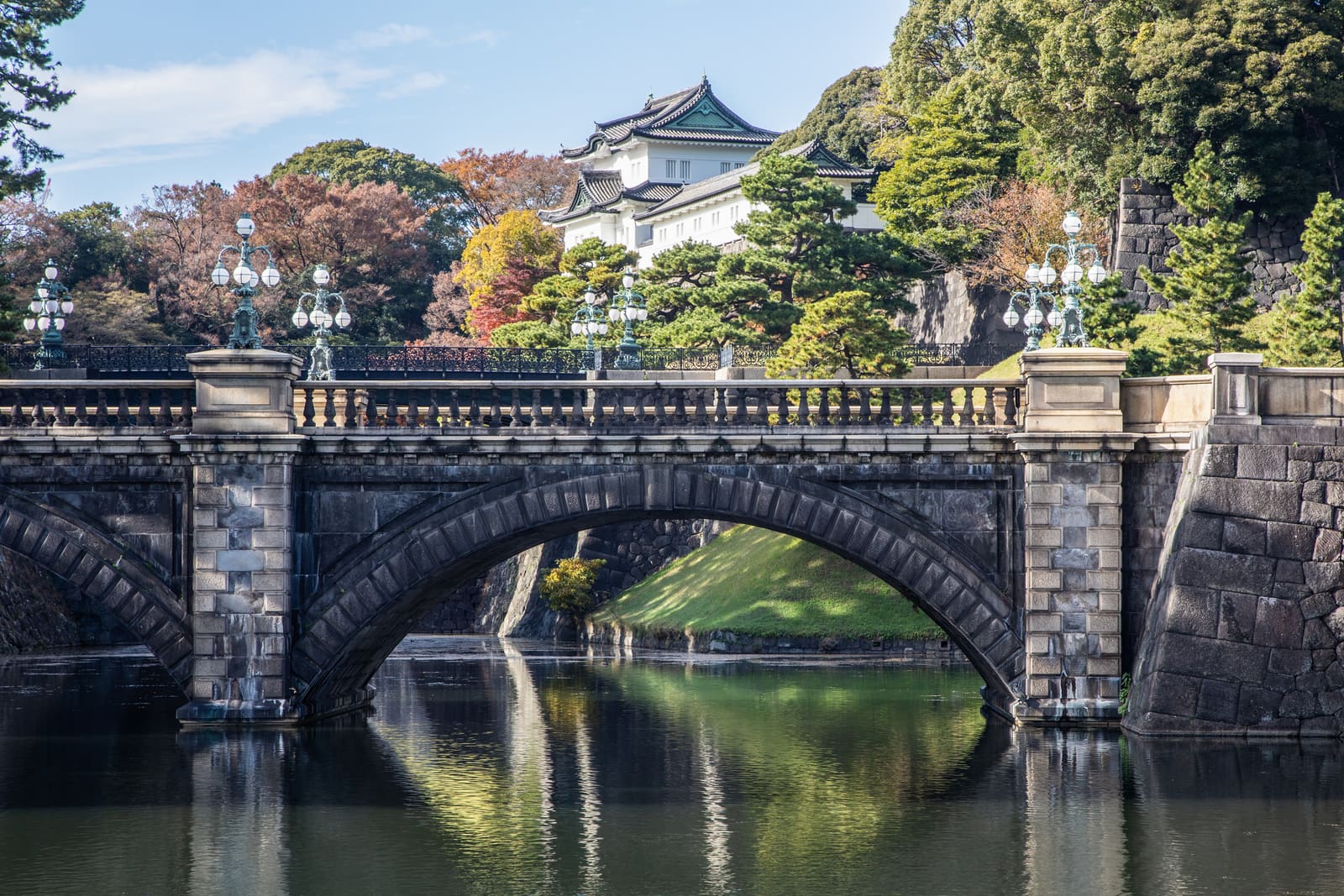
Based in Gotanda, this sample itinerary takes you through three of Tokyo's most iconic attractions in a single day: the Imperial Palace, Sensō-ji Temple in Asakusa, and Tokyo Skytree. Combining history, culture, traditional neighborhoods, and panoramic city views, it is designed for first-time visitors who want to experience some of Tokyo's most famous landmarks while using the city's convenient public transportation network.
Morning: Imperial Palace
 Photos: GO TOKYO
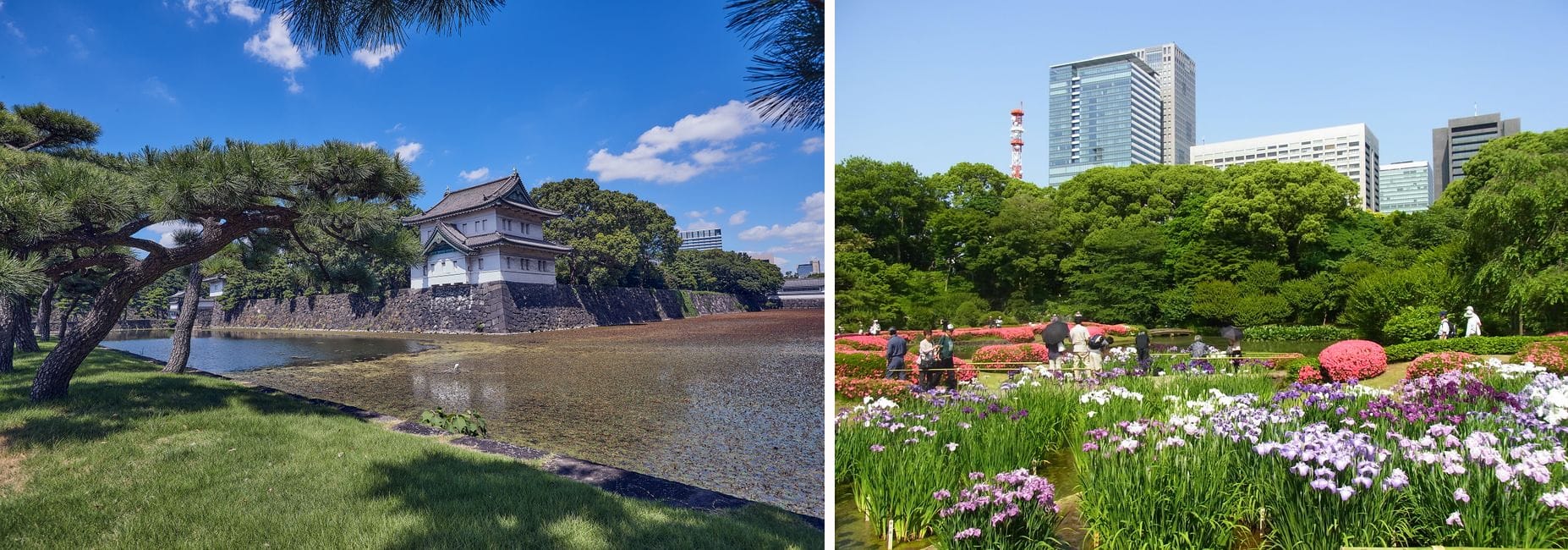
The Imperial Palace General Visit is a guided walking tour of the palace grounds. During the tour, visitors can explore areas of the Imperial Palace that are normally closed to the public and see some of the iconic views often featured in news broadcasts, while listening to explanations from Imperial Household Agency staff. Highlights of the tour include the Kyuden Totei (East Court of the Imperial Palace), the Chowaden Reception Hall, and the Fujimi-yagura (only remaining three-story turret from Edo Castle).
Visitors enter through the reception area at Kikyomon Gate. There are two ways to join the General Visit: advance reservation and same-day registration. The General Visit is not available on Sundays, Mondays, or national holidays, and the number of visitors is limited. Therefore, be sure to check the schedule and make a reservation in advance if you plan to include it in your itinerary.
| Participation Method | Capacity | Registration Period / Method |
|---|---|---|
| Advance Reservation (Online) | One morning session and one afternoon session, up to 200 visitors each | From 5:00 a.m. on the 1st day of the month before your visit date until 11:59 p.m. four days before the visit |
| Same-day Registration (first come, first served; numbered tickets distributed) | One morning session and one afternoon session, up to 300 visitors each | Tickets are distributed in front of Kikyomon Gate from 9:00 a.m. for the morning session and from 12:30 p.m. for the afternoon session |
Bring a photo ID (such as a passport or residence card) and be prepared for a security bag check at the entrance.
Alternatively, the Imperial Palace East Gardens can be visited without a reservation. The gardens also feature several attractions worth seeing. The gardens occupy part of the former grounds of Edo Castle. There, you can see the remains of the Edo Castle keep, the Sannomaru Shozokan (Museum of the Imperial Collections), and Suwa-no-cha-ya (Tea House built by Emperor Meiji).
Midday: Lunch near Tokyo Station
Finding lunch is easy at Tokyo Station. Beneath the station, the Yaesu Underground Shopping Mall offers approximately 180 shops and restaurants, ranging from casual eateries and cafés to fashion and lifestyle stores. The area also provides free Wi‑Fi, making it a convenient place to relax and recharge before continuing your journey to Asakusa.
Afternoon: Asakusa (with an optional Ginza detour)
 Photos: PHOTO AC
Sensō-ji Temple
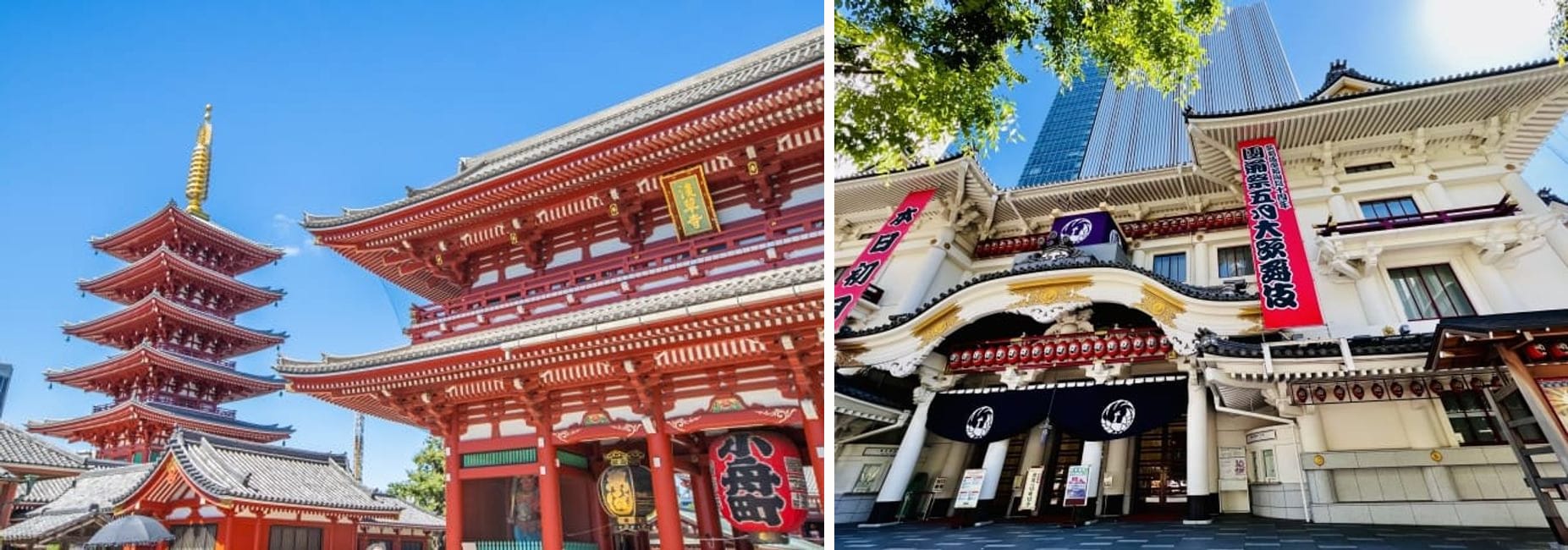
From Tokyo Station, take the Tokyo Metro Ginza Line to Asakusa (with a transfer at Kanda), and visit Sensō-ji Temple, Tokyo's oldest and most famous Buddhist temple. When you arrive, the first thing that catches your eye will be a giant red lantern, also known as Kaminarimon (Thunder Gate). It marks the entrance to the approach leading to Sensō-ji Temple. As Tokyo's oldest temple and one of its most photographed landmarks, Sensō-ji is always bustling with visitors. Be sure not to miss the Five-Storied Pagoda and the Main Hall, two of the temple's most important and historic structures.
The principal deity of Sensō-ji is Kannon (Shō-Kannon Bosatsu), the Buddhist Goddess of Mercy, who is revered for her boundless compassion. Kannon's blessing is believed to be "the fulfillment of one's wishes and aspirations." One of the easiest ways to receive Kannon's blessings is by purchasing an omamori (protective amulet). Different amulets offer blessings for various aspects of life, including:
- Finding love and good relationships
- Protection from misfortune
- Recovery from illness
- Family safety and well-being
- Business success
- Safe childbirth
- Traffic safety
- Academic achievement
Samurai Ninja Museum
Just a five-minute walk from Sensō-ji Temple, you'll find the Samurai Ninja Museum, a fascinating destination dedicated to the world of samurai and ninjas. The museum features an impressive collection of samurai armor as well as a diverse range of Japanese swords from different eras.
In addition to informative tours led by knowledgeable staff, visitors can enjoy a variety of hands-on activities, including dressing up as a samurai, practicing sword techniques, and experiencing ninja training. These interactive experiences make the museum especially popular with both domestic and international travelers interested in Japanese history, culture, or martial arts.
Kabukiza Theatre (optional detour, in Ginza)
Kabukiza Theatre, home to one of Japan's most iconic performing arts, is about a 15–20 minute train ride from Asakusa via the Toei Asakusa Line, which runs directly between Asakusa and Higashi-Ginza with no transfer. Kabuki is one of Japan's great traditional performing arts. Over the centuries, it has evolved from historical dramas (Jidaimono) and realistic domestic plays (Sewamono) to include dance-centered performances (Shosagoto), Noh-inspired works (Matsubamemono), and various forms of modern Kabuki, such as Shin Kabuki and Shinsaku Kabuki. For non-Japanese speakers, captioning services in English and Simplified Chinese are available for selected performances. Tickets can be purchased online, by phone, or directly at the Kabukiza box office.
If you are a fan of Japanese manga or anime, modern Kabuki may be especially appealing. These productions combine traditional stage techniques with spectacular storytelling and contemporary themes.
- Examples of Modern Kabuki plays: "NARUTO", "Nausicaä of the Valley of the Wind" and "Super Kabuki II ONE PIECE".
Evening: Tokyo Skytree
 Photos: GO TOKYO
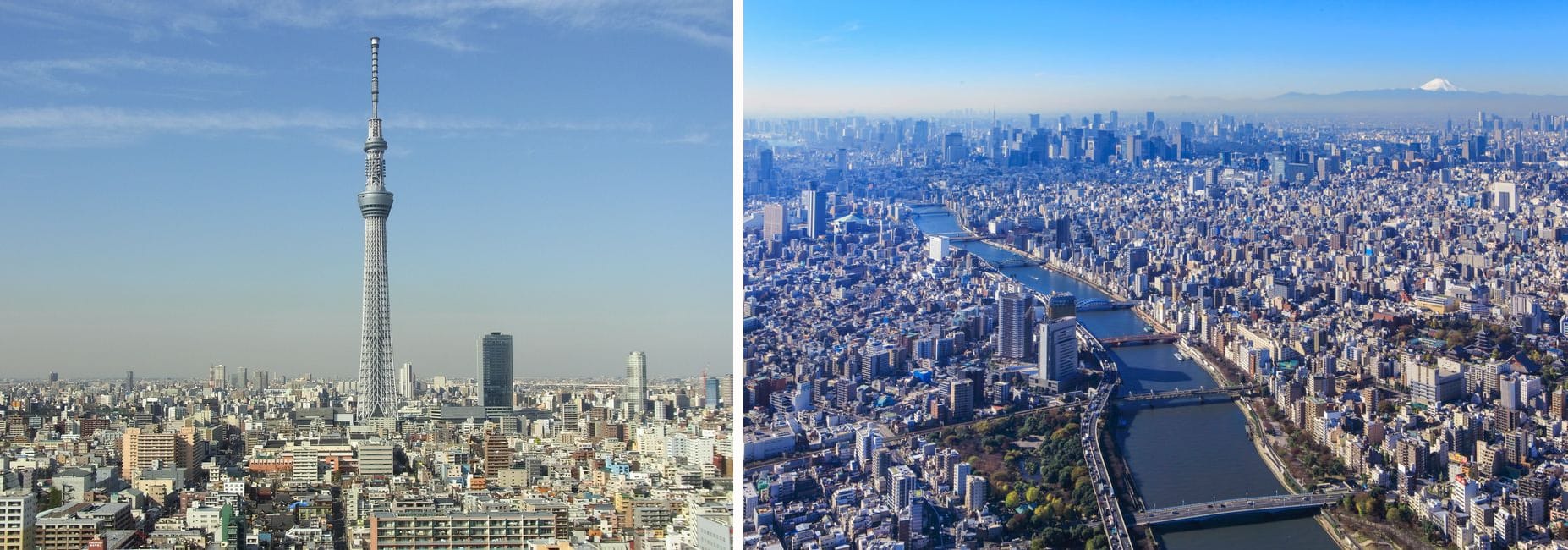
Just a short trip from Asakusa, Tokyo Skytree is the perfect place to spend the evening. At the base of the tower is Tokyo Solamachi (Tokyo Sky Town), a large shopping, dining, and entertainment complex whose many floors feature souvenir shops selling Japanese character merchandise, home décor items, and snacks, along with official Tokyo Skytree stores for exclusive tower merchandise.
The entrance, ticket counters, and information desk of Tokyo Skytree are located on the 4th floor. The observation area is divided into two sections, the Tembo Deck and the Tembo Corridor. Tickets for the Tembo Deck (adult: ¥2,200) can usually be purchased on the same day. If the 350-meter-high view isn't enough, you can add a Tembo Corridor ticket (adult: ¥1,400) and continue up to 450 meters above ground. Visiting around sunset (between 7:00 PM and 7:30 PM) is highly recommended, as you can enjoy both the daytime scenery and Tokyo's dazzling night lights.
Dinner
After taking in the panoramic views, enjoy dinner at Tokyo Solamachi. The complex features both a restaurant floor and a food court, offering a wide variety of dining options. On the 6th and 7th floors, the Solamachi Dining Area showcases popular Japanese dishes such as:
-
Okonomiyaki (savory pancakes)
-
Grilled beef tongue
-
Unagi (eel rice bowls)
-
Udon noodles If you're looking for something different, you'll also find a variety of international cuisines, including Indian, Chinese, and Italian restaurants.
-
Seasonal notes: works in any season; Tokyo Skytree and Solamachi are fully indoor and hold up well in any weather, while the Imperial Palace grounds and the Asakusa approach are outdoor and more pleasant in spring and autumn
-
Backup rainy-day options: if the weather turns, Solamachi and the Skytree observation decks can easily absorb more of the afternoon; Asakusa's Nakamise-dori arcade is roofed, so it holds up reasonably well in light rain too
Before you go: The Imperial Palace general visit is closed on Sundays, Mondays, and national holidays, and requires photo ID (such as a passport or residence card). Confirm the day of the week and current reception times before relying on this stop, and have a backup (such as extra time in Asakusa) ready in case it doesn't work out.
Time-Block Itinerary
Start: Mitsui Garden Hotel Gotanda
End: Mitsui Garden Hotel Gotanda (same hotel — this is a Hub Day)
| Time | Stop | Line | Notes |
|---|---|---|---|
| 08:10 | Depart Gotanda → Tokyo | JR Yamanote Line | ~20 min by train |
| 09:00 | Imperial Palace general visit | — | Ticket distribution from 9:00, tour to ~11:15; ID required |
| ~12:00 | Lunch | — | Yaesu underground street, Tokyo Station |
| 13:00 | Depart Tokyo → Asakusa | Tokyo Metro Ginza Line | ~20 min, transfer at Kanda |
| 13:20 | Sensoji Temple (Asakusa) | — | Asakusa's main sight, about 1.5 hours; Samurai Ninja Museum's basic tour, 1 hour |
| — | (optional detour) Depart Asakusa → Higashi-Ginza | Toei Asakusa Line | 15–20 min by train to visit Kabukiza Theatre in Ginza |
| 17:00 | Depart Asakusa → Tokyo Skytree | Tobu Skytree Line | ~5 min by train |
| 17:10 | Tokyo Solamachi & Tokyo Skytree | — | Shopping, then Tembo Deck (¥2,200 adult) |
| ~19:00 | Tembo Deck / Tembo Corridor | — | Optional corridor add-on ¥1,400 adult; good sunset timing |
| 19:30 | Dinner | — | Tokyo Solamachi restaurant floor / food court |
| 20:30 | Depart Tokyo Skytree (Oshiage station) → Gotanda | Toei Asakusa Line | ~30 min by train |
| ~21:20 | Pick up breakfast for tomorrow | — | Tokyu Store |
| ~21:30 | Mitsui Garden Hotel Gotanda | — | Return to hotel, end of day |
Transport Notes
- Gotanda and Tokyo Station are both reachable directly on the JR Yamanote Line, with no transfers required.
- Getting from Tokyo Station to Asakusa involves a transfer at Kanda onto the Tokyo Metro Ginza Line — allow a little extra time for the change.
- Asakusa and Tokyo Skytree are close enough that the connection between them is quick, whether on foot or by a short train ride.
- The return trip from Tokyo Skytree (Oshiage station) to Gotanda takes about 30 minutes; confirm the exact routing with a transit app on the day.
- Kabukiza Theatre (Ginza) appears as an optional, undated detour in the Time-Block Itinerary above — it's a 15–20 minute ride each way via the Toei Asakusa Line, so budget roughly an extra hour round trip if you want to fit it in, likely by trimming time elsewhere.
Cost and Ticket Notes
- No special rail pass is needed for this day; single subway/train fares (IC card such as Suica or Pasmo) cover every leg.
- Imperial Palace general visit: free, but requires booking and photo ID.
- Tokyo Skytree Tembo Deck: ¥2,200, adult; Tembo Corridor add-on: ¥1,400, adult.
- Budget for: train fares (several short rides), lunch near Tokyo Station, a Skytree observation ticket (and optional corridor add-on), and dinner at Solamachi.
This day pairs well with:
- Tokyo - Shrines, Skylines & Gardens — the day before, also based at the same Gotanda hotel
- Tokyo to Hakone Transfer Day — the day after, leaving Gotanda and heading toward Hakone