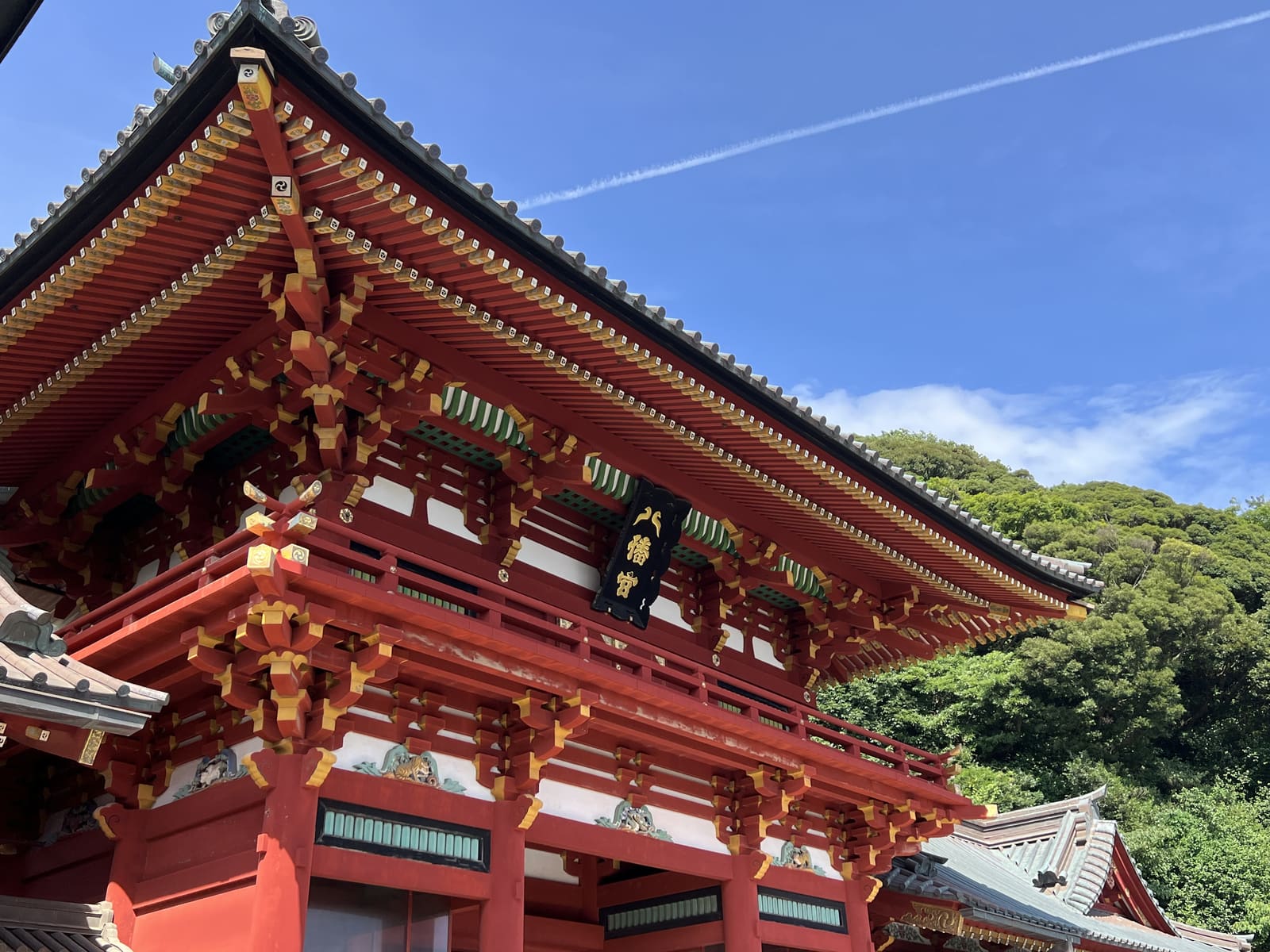
This is a full day trip out from Yokohama down to Kamakura and the Enoshima coast, covering a historic shrine, a famous seated Buddha, a well-known anime-pilgrimage train crossing, and an island shrine complex with its own observatory and sea caves — connected mostly by the little Enoden line, with a faster route back via Odakyu and JR at the end of the day. This guide assumes a stay near Sakuragicho (New Otani Inn Yokohama Premium), which is convenient for exploring both Yokohama itself and this day’s route out to Kamakura. It’s a long day with a lot of walking, but the pace is easy to shorten if needed since it’s all a round trip back to the same Yokohama hotel.
Morning: Kamakura
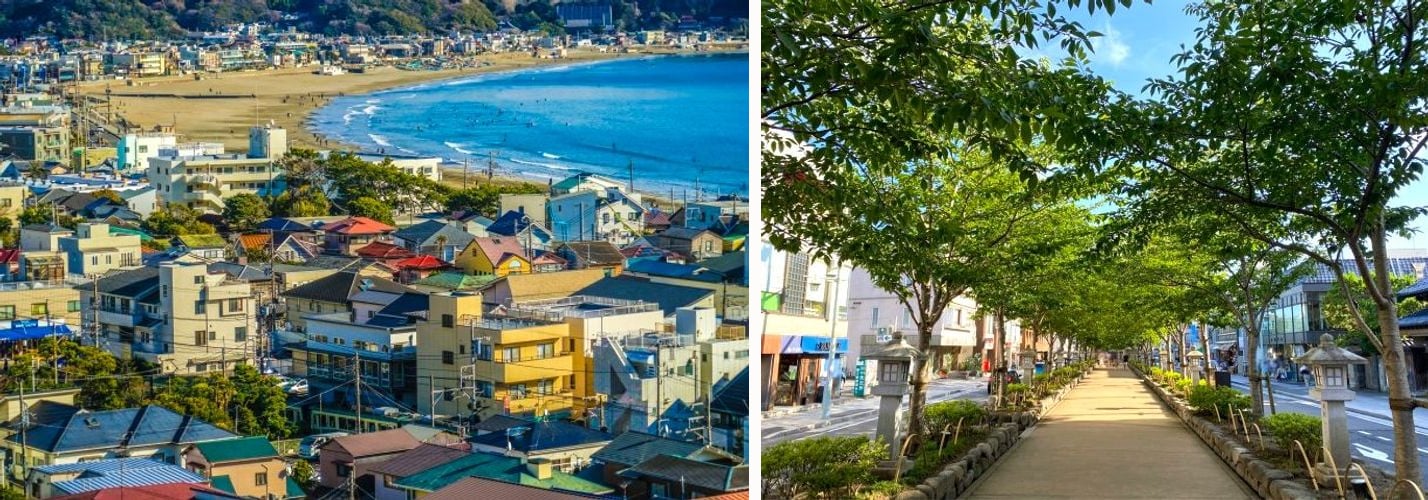 Photos: PHOTO AC
The coastal shoreline, with trains running alongside the sea, is one of Kamakura’s most iconic views. Equally unforgettable are its prestigious temples and shrines, which have become deeply engraved in the memories of visitors.
Yet few realize that Kamakura was once the political center of Japan, serving as the seat of the country’s first military government. At the same time, Buddhism has flourished here for more than a thousand years, leaving a profound spiritual legacy. It is this unique blend of history, culture, and religion that makes Kamakura one of Japan’s most memorable destinations.
To visit Kamakura from Sakuragicho in Yokohama, you simply take a 4-minute ride on the Keihin-Tohoku/Negishi Line to reach Yokohama Station, then transfer to the JR Yokosuka Line or JR Shonan-Shinjuku Line for an additional 25- to 30-minute ride.
ENODEN 1-Day Pass “Noriorikun”
To make the most of your visit from Kamakura to Enoshima, we highly recommend purchasing a Enoden 1-day pass at Kamakura Station. This convenient ticket allows unlimited rides on the entire Enoden Line for one day. In addition to unlimited travel, pass holders can enjoy special discounts and benefits at popular attractions such as Enoshima Sea Candle, Enoshima Aquarium, Hase-dera Temple, and over 20 participating hotels and restaurants.
The pass can be purchased from ticket vending machines at all Enoden stations or through the EMot Online Tickets mobile app.
- Price: ¥800 (Adult) / ¥400 (Child)
- Availability: Ticket vending machines at all Enoden stations
- Validity: Valid only on the date of purchase.
- Special benefits can be used only once per pass holder on the valid date.
Komachi-dori
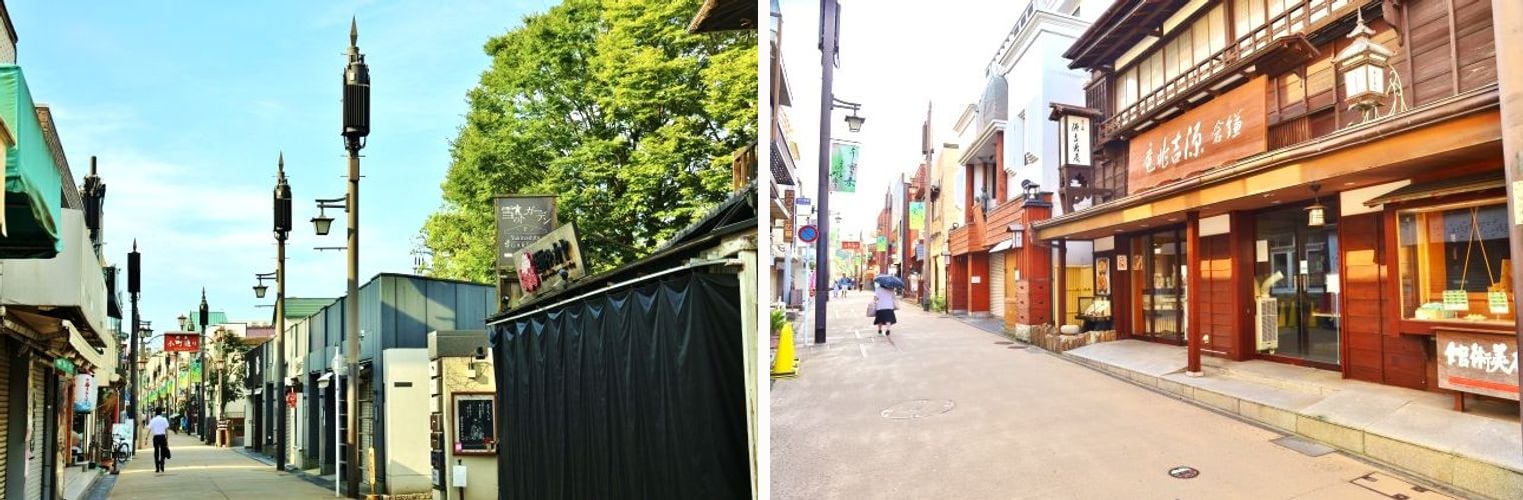 Photos: PHOTO AC
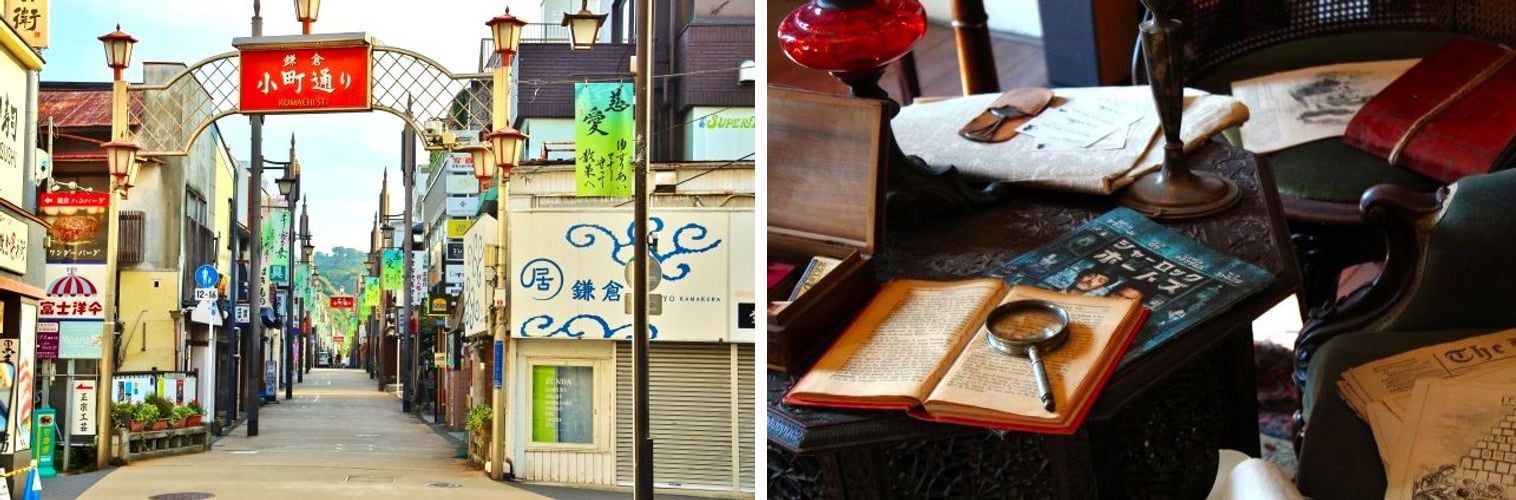
Near Kamakura Station and leading toward Tsurugaoka Hachimangu, Komachi-dori is a bustling shopping street packed with choices. Lined with over 300 shops — from long-standing traditional stores to trendy sweets spots, Kamakura-style souvenirs, and craft shops — it offers something for everyone. At its entrance stands a large red torii gate marked “Hachimangu Shortcut,” a symbolic starting point for visitors. Whether you’re heading to the shrine or just arrived, there’s plenty to see, buy, and eat along the way.
Tsurugaoka Hachimangu
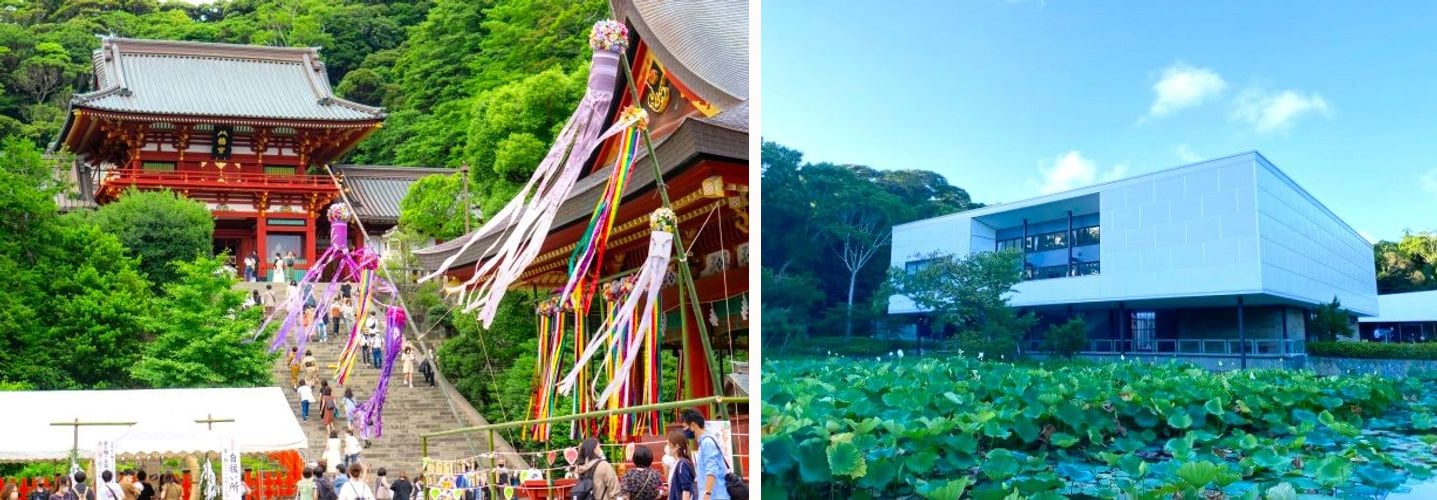 Photos: PHOTO AC
A 10-minute walk northeast of Kamakura Station leads to one of Japan’s most famous shrines, Tsurugaoka Hachimangu. It is also the historic heart of Kamakura. Founded by Minamoto Yoritomo, the first shogun of Japan’s samurai government, it has been an important place for more than 800 years. Walk through the Great Torii Gate, visit the Main Shrine (Jogu), Wakamiya, and Maruyama Inari Shrine, and enjoy beautiful gardens, ponds, and cultural treasures. From cherry blossoms in spring to lotus flowers in summer, every corner of the shrine tells the story of Kamakura’s rich history and traditions.
If you are interested in history and cultural treasures, be sure to visit the Treasure Hall (Houmotsuden) and the Kamakura Bunkakan Tsurugaoka Museum within the shrine grounds. The Treasure Hall displays sacred treasures, historic weapons, and important artifacts that tell the story of Tsurugaoka Hachimangu and the samurai era. The museum offers special exhibitions that introduce the history, culture, and traditions of Kamakura in an easy-to-understand way, making it an enjoyable stop for both adults and children.
Admission Fees:
- Treasure Hall: ¥200 (Adult) / ¥100 (Child)
- Kamakura Bunkakan Tsurugaoka Museum: ¥1,500 (Adult) / ¥800 (Child)
- Museum Closed: Mondays (or the following weekday when Monday is a public holiday)
British Antique Museum (BAM) Kamakura
 Photos: PHOTO AC
A British antique museum may be the last thing you expect to find in Kamakura, but BAM is one of the city’s most unique attractions. Founded by Masaomi Dobashi, who was inspired by how antiques are cherished and preserved in Britain, the museum displays authentic British antiques that are more than 100 years old. Highlights include period rooms, rare collectibles, and a remarkably detailed Sherlock Holmes room, all housed in a striking building designed by Kengo Kuma.
Admission Fees:
- Adults: ¥1,300
- Opening Hours: 10:00 – 17:00 (Last admission: 16:30)
- Closed Days: None (notifications will be posted on website in case of temporary closure)
Myohon-ji Temple
 Photos: PHOTO AC
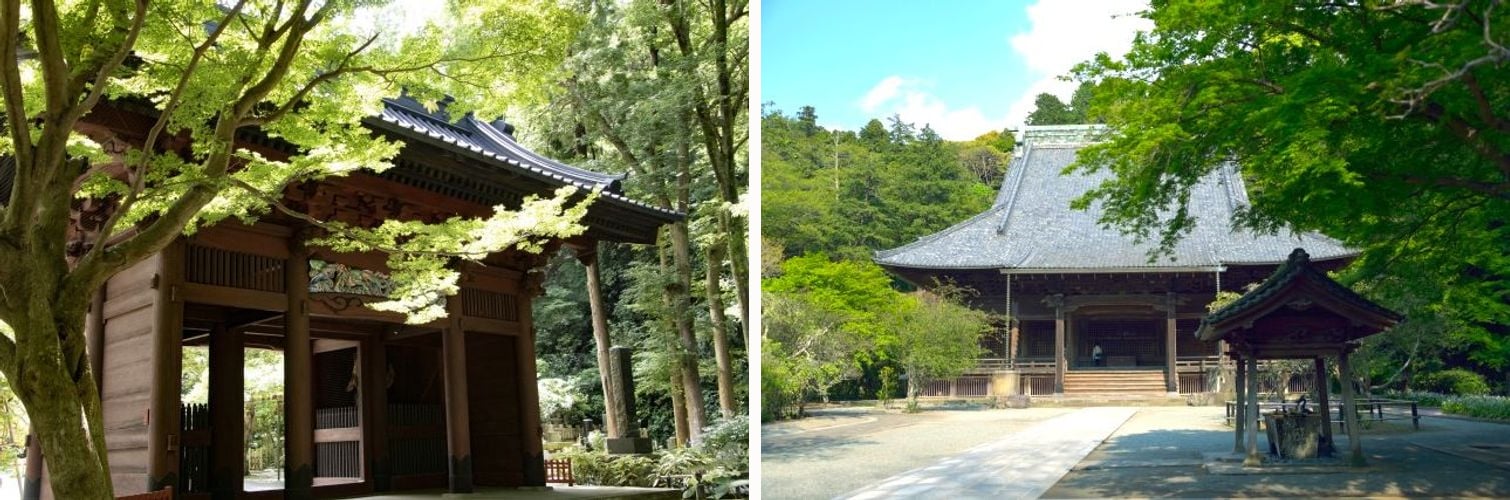
Depending on how long you explore the above attractions, you may have time for one more stop before lunch. Myohon-ji Temple is a quiet spot surrounded by cedar trees about a 10-minute walk southeast of Kamakura Station. Enter through the striking Nitenmon Gate, decorated with detailed carvings including a colorful central dragon, and guarded by two statues — Jikokuten and Tamonten. Inside stands Soshido Hall, the largest wooden hall in Kamakura. The grounds are known for seasonal beauty, with cherry blossoms and kaidō flowers in spring, fresh greenery in early summer, and vivid maple and ginkgo foliage in autumn. Entry is free, and 20–30 minutes is enough for a relaxed visit.
Midday: Lunch, then Hase
Food and Sweets on Komachi-dori
Before catching your train to the next destination, Komachi-dori offers no shortage of tasty options to fuel up on. From savory street food to sweet treats, here are a few spots worth stopping by:
- Kamakura Yatai Mura (鎌倉屋台村) — A festival-style food stall village where you can wander between vendors sampling seafood rice bowls, seafood grills, skewers, and oden. Enjoy Kamakura’s famous shirasu (whitebait) dishes alongside local craft beer and sake, perfect for a quick drink or a full meal.
- Imbiss Kamakura (インビス鎌倉) — A stand serving handmade authentic German sausages, hot dogs, and Kamakura craft beer, grilled hot to order on a large griddle. With flavors and textures varying by type, it’s fun to try a few topped with their signature homemade mustard.
- i-ZA Kamakura (i-ZA鎌倉)
- Gokujo Kamakura Menchi-Katsu (極上 鎌倉メンチカツ) — A menchi-katsu specialty stand using rare Miura-raised Hayama beef and artisan-made fresh breadcrumbs for a crisp coating, with melted mozzarella folded into the juicy, tender filling.
- Asahina (あさひな) — A specialty shop for kamaboko, fried fish cakes, and fried dango, made from a carefully blended surimi of three fish — mild pollock, rich-flavored ribbonfish, and chewy threadfin bream — for the perfect balance of flavor and texture. Enjoy it fresh and freshly made.
- Crêpe Shop Coquelicot (コクリコクレープ) — Simple yet deeply satisfying crêpes made with a crispy-chewy batter, sugar, and plenty of fresh lemon. Choose from around 50 varieties, including options with fresh cream, cream cheese, and seasonal fruit, for a relaxed crêpe-and-drink break.
- Sakura’s Dream House (さくらの夢見屋) — A dango stand beloved for its adorable sakura-anko dango, made with elegant white bean paste and cherry blossom liqueur, alongside roughly 20 varieties like mitarashi, koshi-an, isobe, and honey-lemon.
- Tomoya Kamakura Komachi (ともや 鎌倉小町店) — Famous for its “Daibutsu-yaki,” a smiling Great Buddha-shaped cake filled edge-to-edge with sweet Kagoshima purple sweet potato paste and gentle honey sweetness, available in 6 flavors.
- MAISON CACAO Kamakura Komachi Main Store (MAISON CACAO 鎌倉小町本店) — Known for its popular nama chocolate, plus a limited-edition nama chocolate éclair with three luxurious layers of ganache, chocolate bar, and fresh cream, delivering a crisp shell, rich chocolate flavor, and satisfying crunch in every bite.
Hase-dera Temple
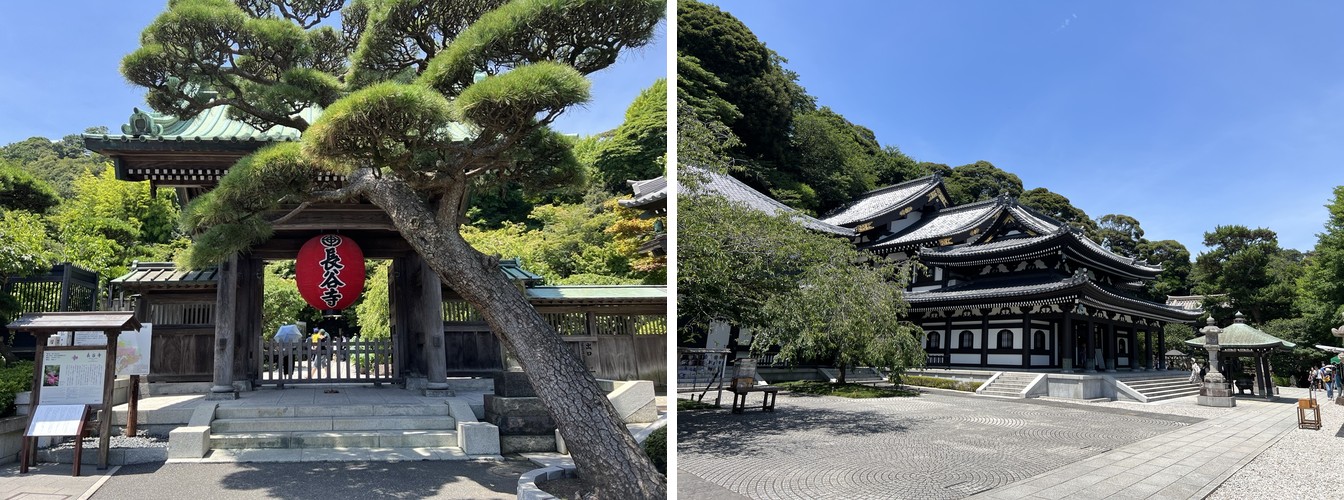
After lunch at Kamakura, take the short Enoden ride to Hase Station for the afternoon’s main sights. Hase-dera Temple is one of Kamakura’s most beloved landmarks, just a 5-minute walk northwest from Hase Station. Set on the wooded slopes of Mount Kannon, the temple is famous for its magnificent 9.18-meter-tall Eleven-Headed Kannon, one of the largest wooden Buddhist statues in Japan. Visitors can stroll through beautiful gardens that bloom throughout the year, discover charming spots such as the smiling Nade Jizo statues and Kakigara Inari Shrine, and explore Buddhist culture at the Kannon Museum. The views of Kamakura, Yuigahama Beach, and Sagami Bay from the temple’s observation terraces are especially stunning during the hydrangea season when thousands of flowers blanket the hillside.
Admission Fees:
- Hase-dera Temple: ¥400 (adult)
- Kannon Museum: additional ¥500 (adult)
Kaiko-an
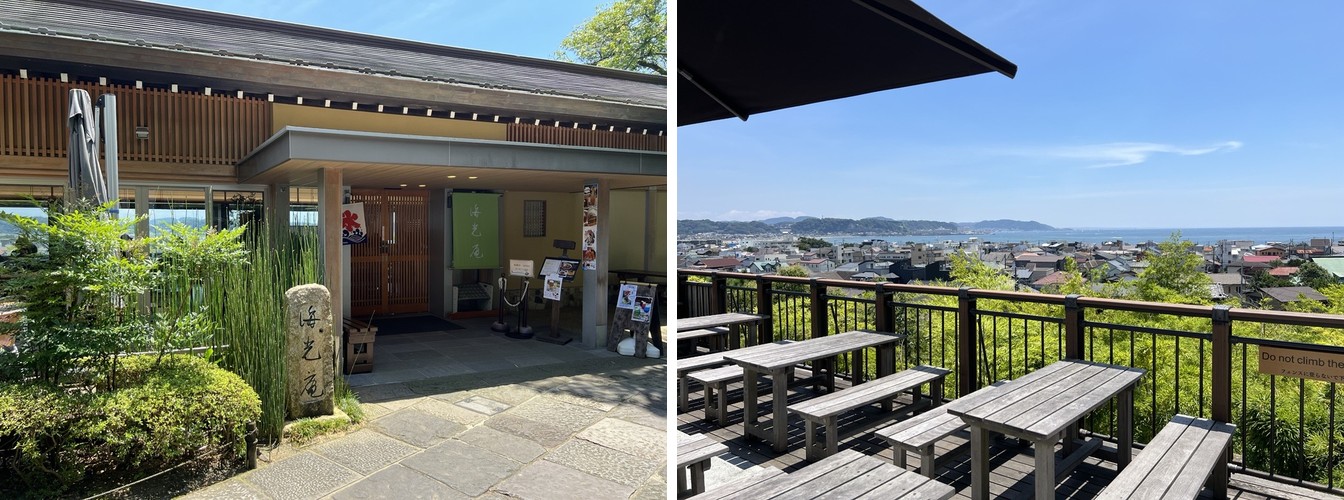
Kaiko-an (海光庵) is a simple temple café located within the grounds of Hase-dera. It’s a pleasant spot for a snack or light bite between sightseeing, offering casual meals, sweets, and drinks, including the popular Temple Curry and a vegan-friendly pasta, with the same hillside coastal views as the temple above it.
Kotoku-in Temple (Great Buddha)
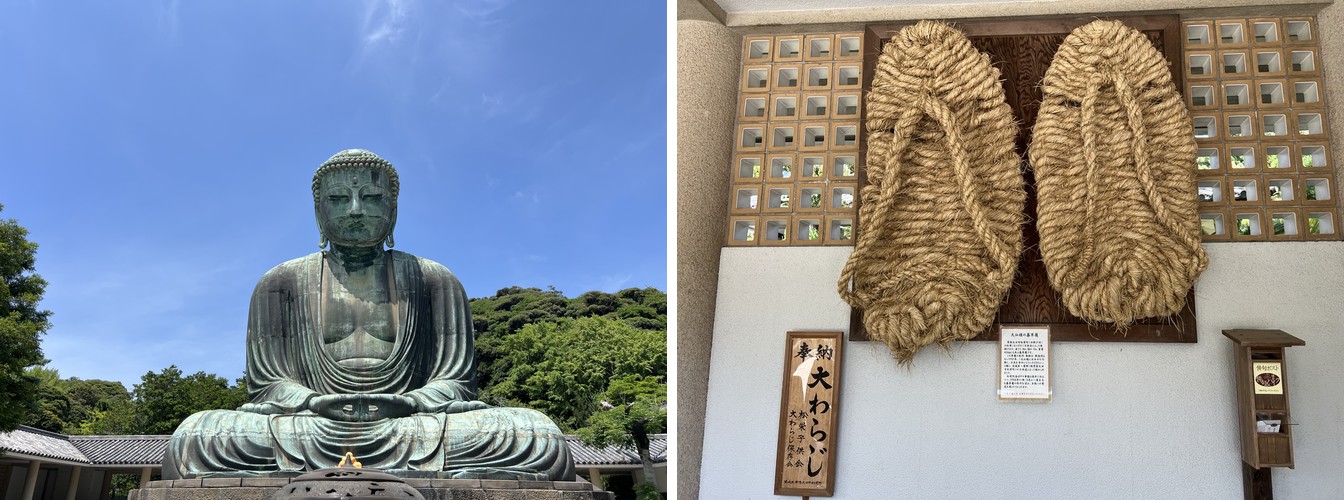
Kotoku-in Temple is a 7-minute walk from either Hase-dera Temple or Hase Station. It is best known for the Great Buddha of Kamakura (Kamakura Daibutsu), a monumental bronze statue of Amida Buddha cast in 1252. Unlike most large Buddha statues in Japan, it sits in the open air, making it one of Kamakura’s most iconic landmarks. Be sure to also look for the pair of giant straw sandals displayed beside the Buddha, symbolizing a long-standing tradition of wishing happiness for people across Japan.
Admission Fees:
- Kotoku-in Temple: ¥300 (adult)
- Entry to the Great Buddha: additional ¥50
Afternoon: Kamakurakokomae & Enoshima
Kamakurakokomae
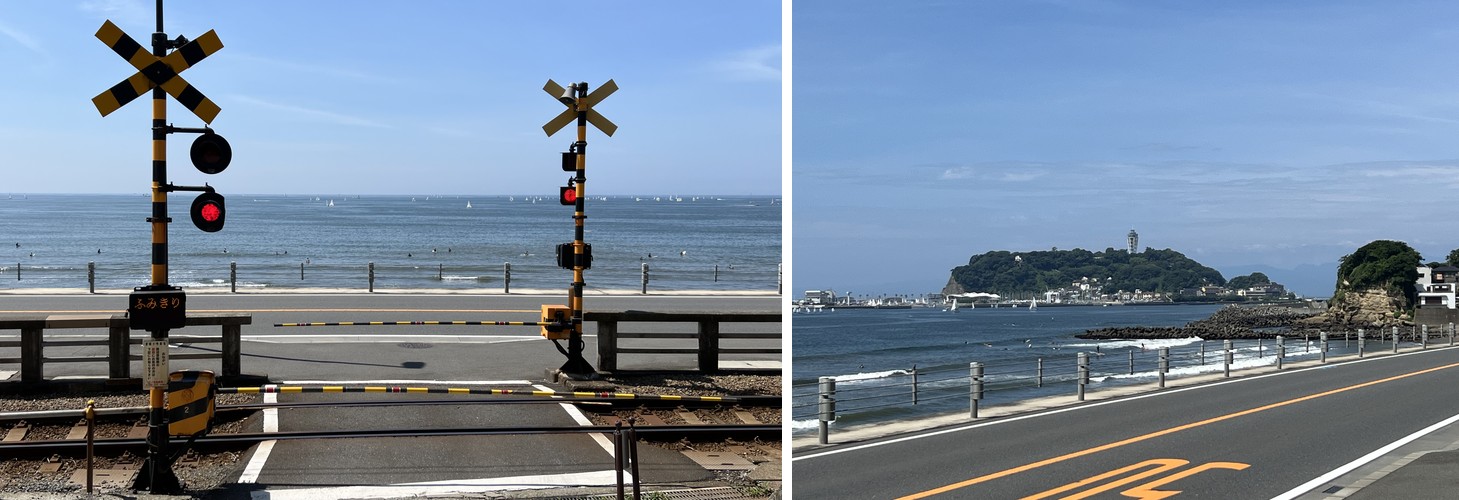
From Hase, the Enoden line continues on to Kamakurakokomae Station, a small stop best known for the level crossing featured in the opening sequence of the basketball anime Slam Dunk. Often called the “Slam Dunk Crossing,” it has become a popular pilgrimage spot for fans from around the world — worth a short stop even just to see it in person. The highlight is the classic view of an Enoden train passing the crossing with the Shonan coast and the glittering ocean in the background, making it one of Kamakura’s most recognizable photo spots.
Enoshima
 Photos: PHOTO AC
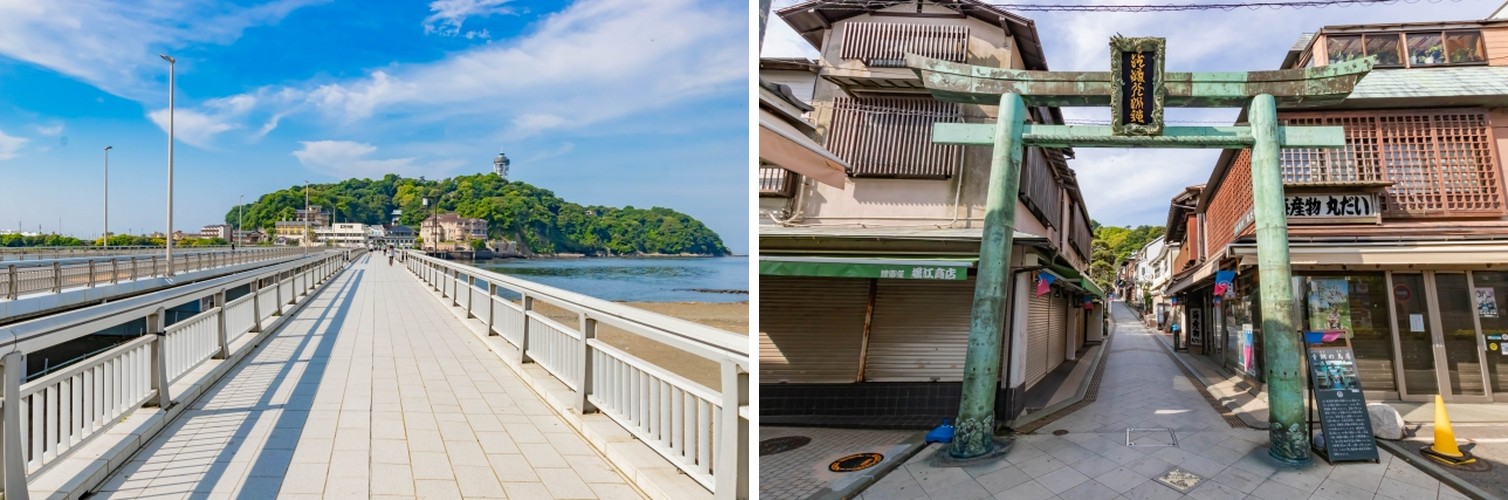
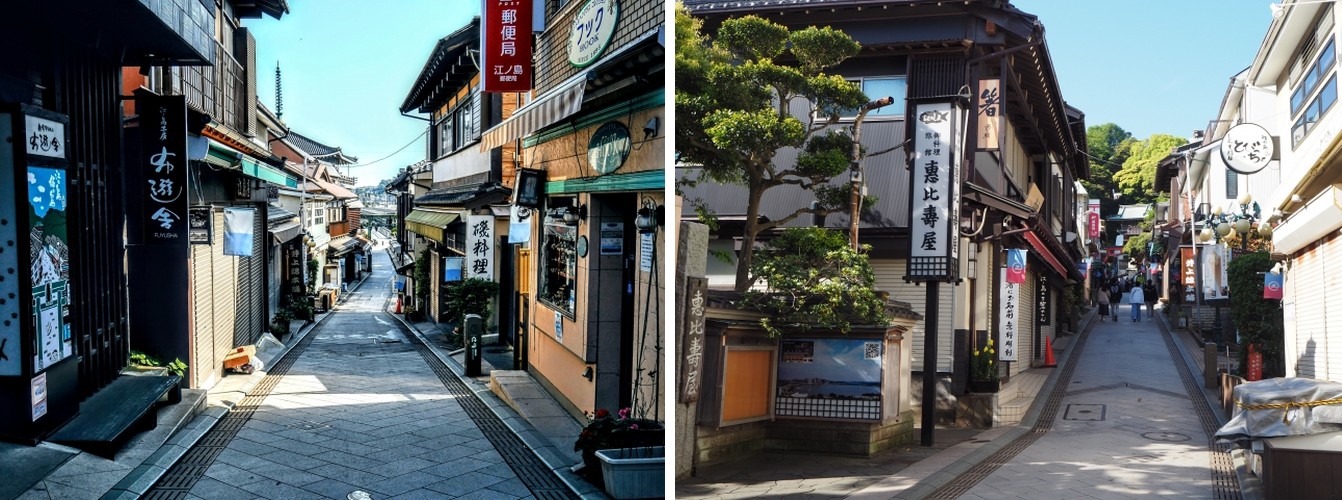
Continuing on to Enoshima Station via the Enoden Line and following Subana-dori to the southwest, you will soon reach the Enoshima Benten Bridge, the gateway to Enoshima Island. The journey ahead is explored entirely on foot. Fortunately, the route is lined with cafés, dessert shops, seafood restaurants, and souvenir stores, making it easy to stop and rest along the way. Once on the island, there are two main experiences: the classic sightseeing route, and the nature and coastal scenery route. With enough time, both can be combined into a single visit, walking the classic route toward the Sea Candle first and then continuing on to the nature route and the caves.
Enoshima Classic Route
 Photos: PHOTO AC
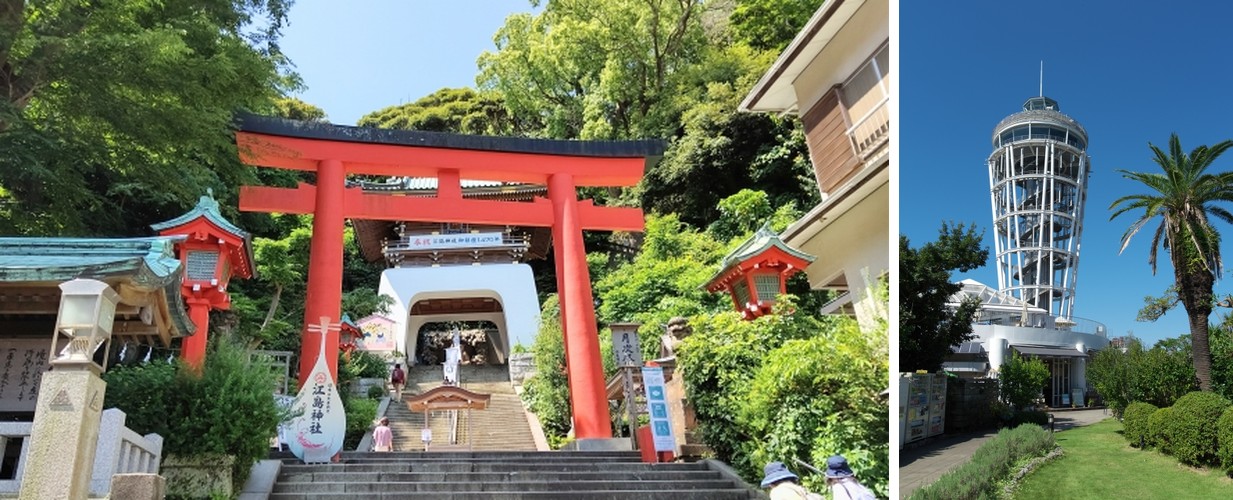
The classic route highlights Enoshima’s most iconic attractions. After walking through the historic bronze torii gate and the bustling approach lined with shops and restaurants, visitors can board the Enoshima Escar, a unique uphill-only escalator system. Divided into three sections, the Escar carries passengers to the island’s summit in just five minutes, compared with a twenty-minute climb on foot. It’s a particularly welcome option on hot summer days or for anyone wishing to conserve energy for further sightseeing.
Along the way are the three shrines that together make up Enoshima Shrine, each dedicated to deities believed to protect the sea. The route continues through Samuel Cocking Garden, a beautiful botanical park named after a British merchant who developed a garden here during the Meiji era.
The highlight for many visitors is the Enoshima Sea Candle observatory. Standing nearly 120 meters above sea level, it offers breathtaking panoramic views of the surrounding coastline. On clear days, you can even spot Mount Fuji, the Izu Peninsula, and the distant skyline of Yokohama. Sunset is particularly spectacular, with the sun slowly sinking into Sagami Bay.
Admission Fees:
- Enoshima Escar: ¥500 (adult)
- Enoshima Samuel Cocking Garden: free (¥500 charged if an event is held)
- Enoshima Sea Candle: ¥800 (adult)
Enoshima Iwaya Caves
 Photos: PHOTO AC
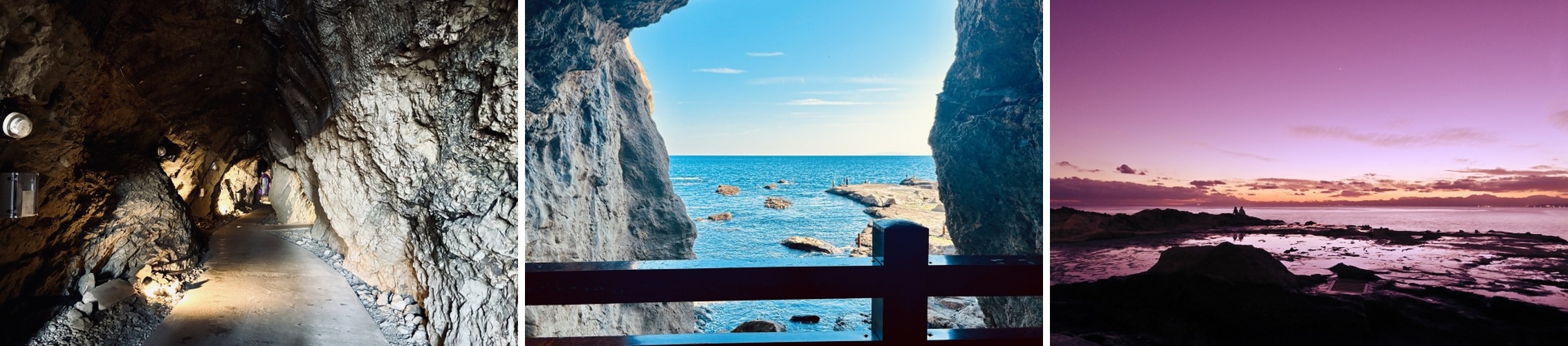
For those interested in the nature and coastal scenery route, the island’s southwest side offers a more adventurous route. Here, narrow pathways lead to Lovers’ Hill, where a bell tied to a local legend overlooks the bay, and further on to Chigogafuchi, a dramatic rocky shoreline shaped by geological uplift. The area is popular for tidepool exploration, fishing, and photography, especially around sunset.
At the far end of the island lies the Enoshima Iwaya Caves, natural sea caves carved by centuries of wave erosion. Rich in legend and history, these caves are said to have been visited by famous Buddhist monks and samurai leaders. Exploring the dimly lit caverns adds a sense of adventure that contrasts sharply with the lively shopping streets near the entrance of the island.
Admission Fees:
- Adults: ¥500
Whether you come for the shrines, ocean views, local food, or coastal walks, Enoshima offers far more than a quick seaside stop. It is a destination that rewards visitors who take their time to wander, discover hidden corners, and enjoy the relaxed atmosphere of the Shonan coast. Budget about 40 minutes for the walk back to Enoshima Station once you’re done.
Evening: Back to Yokohama
 Photos: PHOTO AC
For the return trip, it’s faster to walk to Katase-Enoshima Station and take the Odakyu Enoshima Line to Fujisawa, then transfer to the JR Tokaido Line for Yokohama and on to Sakuragicho, rather than backtracking the way you came on the Enoden. It takes about 30 minutes in total. You can choose to have dinner at Enoshima, which is well known for its seafood, or find something closer to the hotel instead. Below are some restaurants highly rated by local visitors at Enoshima:
-
Katase-Enoshima station
- Aloha Table Shonan (アロハテーブル 湘南) — A Hawaiian restaurant serving authentic Waikiki flavors like loco moco, garlic shrimp, beer & pupus, and pancakes. Relax in the resort-style wood interior or on the terrace overlooking Enoshima and the coast for an island getaway feel, paired with Hawaiian craft beer and cocktails. Takeout is also available for enjoying Hawaiian food at home or the office.
- Enoshima Koya (江ノ島小屋) — Famous for its “makanai-don” staff-meal bowl, enjoyable hand-rolled, over rice, or as ochazuke. A standout dish is the “namero” bowl, topped generously with 3–4 types of seasonal fish, roughly cut for a satisfying texture. Don’t miss the rich “ryoshi-jiru” fisherman’s soup, inspired by soupe de poisson, slow-cooked for 5–6 hours with dozens of fish and shellfish varieties, bones and all, for deeply concentrated flavor. Shirasu bowls and sashimi platters are also available, best enjoyed while soaking in the relaxed Shonan atmosphere.
-
Enoshima island
- Shirasu Donya Tobicho (しらす問屋とびっちょ) — A shirasu (whitebait) specialty restaurant using only fresh, same-day-caught raw shirasu. Its signature shirasu-don is piled high with fresh raw and boiled shirasu, and the shirasu kakiage-don (crispy fritter rice bowl) is another favorite. The menu also features creative shirasu dishes like tofu and bread, plus original items you won’t find elsewhere, such as shirasu beer, black shirasu croquettes, and shirasu ice cream.
- Shimadoji (島童子) — A renowned seafood-bowl restaurant in Enoshima using fish delivered fresh each morning by local fishermen. Signature dishes include the classic kaisen-don with raw shirasu and local fish, a hearty tuna bowl, and the “Yokubari-don” loaded with assorted seafood and tempura. Don’t miss the “Tokumori” bowl piled with 13 kinds of daily-fresh toppings, or sets featuring tuna katsu and homemade shirasu cream croquettes — all paired with their prized original soy sauce.
- Uomitei (魚見亭) — Perched facing the sea on two sides, this restaurant’s terrace seats let you dine surrounded by open ocean views, sea breeze, and the sound of waves. Its beloved signature dish, the “Enoshima-don,” is a rich bowl of local turban shellfish (sazae) gently folded in egg. Shirasu bowls, seafood bowls, and various set meals are also available for a full taste of the fresh local catch.
- iL CHIANTI CAFE Enoshima (iL CHIANTI CAFE 江の島) — A Mediterranean-style café with terrace seating overlooking Sagami Bay. The à la carte menu features about 100 original Chianti Italian dishes, highlighted by authentic wood-fired pizzas made with select flour and an original cheese blend, including a fresh shirasu pizza and a sea urchin margherita. Enjoy an extensive dessert menu crafted by an in-house pâtissier and a wine list of over 60 selections to pair with your meal.
- LONCAFE Shonan Enoshima Main Store (LONCAFE 湘南江の島本店) — A French toast specialty café near the top of Enoshima, known for its stunning terrace views over Sagami Bay. Don’t miss the soft-serve version of their signature French toast, rich with egg and maple syrup flavor and topped with crunchy caramel. The drink menu is equally extensive, with over 20 options including coffee, herbal tea, and alcoholic drinks.
-
Seasonal notes: works in any season, though the coastal walk to Enoshima is at its best on a clear day for the Mount Fuji views back across the bay; the temples and shrines in Kamakura are especially pleasant in spring and autumn
Before you go: This is one of the longer and more walking-heavy days in the whole trip, covering Kamakura, Hase, Kamakurakokomae, and Enoshima in a single loop. If the pace feels too ambitious, Enoshima is the easiest section to trim without losing the core Kamakura experience.
Time-Block Itinerary
Start: New Otani Inn Yokohama Premium
End: New Otani Inn Yokohama Premium (same hotel — this is a Hub Day)
| Time | Stop | Line | Notes |
|---|---|---|---|
| 09:00 | Depart Sakuragicho → Yokohama | JR Keihin-Tohoku/Negishi Line | ~5 min |
| 09:10 | Depart Yokohama → Kamakura | JR Yokosuka Line | ~25 min; buy Enoden day pass here |
| 09:40 | Walk to Tsurugaoka Hachimangu | — | ~10 min walk |
| ~09:50 | Tsurugaoka Hachimangu | — | About 40 min; Treasure Hall ¥200 adult |
| 10:30 | Walk to BAM Kamakura | — | ~5 min walk |
| ~10:40 | BAM Kamakura | — | About 40 min; ¥1,300 adult |
| 11:20 | Walk to Myohon-ji | — | ~15 min walk |
| ~11:35 | Myohon-ji | — | About 15 min |
| 11:50 | Walk to Komachi-dori | — | ~10 min walk |
| ~12:10 | Lunch | — | Komachi-dori |
| 13:18 | Depart Kamakura → Hase | Enoden | ~4 min |
| 13:22 | Walk to Hase-dera | — | ~7 min walk |
| ~13:30 | Hase-dera | — | About 60 min; ¥400 adult |
| 14:30 | Walk to Kotoku-in (Great Buddha) | — | ~7 min walk |
| ~14:40 | Kotoku-in (Great Buddha) | — | About 30 min; ¥300 adult |
| 15:10 | Walk to Hase station | — | ~7 min walk |
| 15:29 | Depart Hase → Kamakurakokomae | Enoden | ~15 min |
| ~15:45 | Kamakurakokomae crossing | — | Photo stop, about 15 min |
| 15:58 | Depart Kamakurakokomae → Enoshima | Enoden | ~5 min |
| 16:03 | Walk to Enoshima | — | ~17 min walk |
| ~16:20 | Classic route: torii gate, Escar, Enoshima Shrine, Samuel Cocking Garden | — | Escar ¥500, ~13 min walk |
| ~16:35 | Enoshima Sea Candle | — | Sea Candle ¥800, about 30 min |
| ~17:10 | Nature route: Lovers’ Hill, Chigogafuchi | — | ~20 min walk |
| ~17:30 | Enoshima Iwaya Caves | — | Caves ¥500 adult, about 30 min |
| ~18:00 | Walk back to Katase-Enoshima Station | — | ~40 min walk |
| 18:49 | Depart Katase-Enoshima → Fujisawa | Odakyu Enoshima Line | ~6 min, transfer at Fujisawa |
| 18:59 | Depart Fujisawa → Yokohama | JR Tokaido Line | ~20 min, transfer at Yokohama |
| 19:22 | Depart Yokohama → Sakuragicho | JR Keihin-Tohoku/Negishi Line | ~3 min |
| ~19:30 | Dinner and shopping for the next day | — | Sakuragicho area |
| ~21:00 | New Otani Inn Yokohama Premium | — | Return to hotel, end of day |
Transport Notes
- The Enoden 1-day pass (“Noriorikun,” ¥800 adult) covers every Enoden leg used this day (Kamakura–Hase–Kamakurakokomae–Enoshima) and pays for itself quickly given how many short hops are on this route. It doesn’t cover the return trip, since that leaves from a different station.
- The JR Yokosuka Line runs directly between Yokohama and Kamakura with no transfer needed in the morning.
- For the way back, walking to Katase-Enoshima Station and taking the Odakyu Enoshima Line to Fujisawa, then the JR Tokaido Line to Yokohama, is faster than backtracking on the Enoden — allow extra time for the transfer at Fujisawa and confirm the connection with a transit app on the day.
- This day involves a lot of short train hops in quick succession; keep the IC card or Enoden pass easily accessible rather than buried in a bag.
Cost and Ticket Notes
- Enoden 1-day pass: ¥800, adult.
- Tsurugaoka Hachimangu Treasure Hall: ¥200, adult/junior high.
- Kamakura Bunkakan Tsurugaoka Museum: ¥1,500, adult (¥800, child).
- BAM Kamakura: ¥1,300, adult.
- Hase-dera Temple: ¥400, adult (Kannon Museum: additional ¥500, adult).
- Kotoku-in Temple: ¥300, adult (Great Buddha entry: additional ¥50).
- Enoshima Escar: ¥500, adult.
- Enoshima Sea Candle: ¥800, adult.
- Enoshima Iwaya caves: ¥500, general (junior high and up).
- Budget for: JR fares to and from Kamakura, the Enoden day pass, temple and shrine admissions, the Odakyu/JR fare for the return trip (not covered by the Enoden pass), lunch, and dinner.
This day pairs well with:
- Hakone to Yokohama Transfer Day — the day before, arriving at the same Sakuragicho hotel