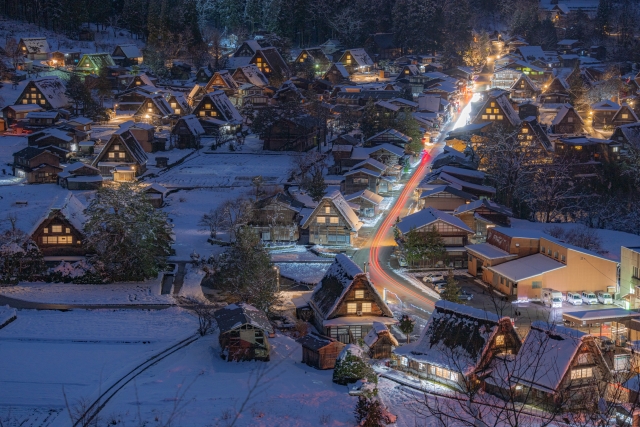
This day moves the trip on from Takayama to Kanazawa, built around a full day in Shirakawa-go, the UNESCO World Heritage village of steep-roofed gassho-zukuri farmhouses partway along the route. Two highway bus legs carry you and your luggage the whole way — the first from Takayama into Shirakawa-go for a morning and early afternoon of sightseeing, the second on to Kanazawa — leaving the evening free to explore Kanazawa’s Higashi and Kazuemachi chaya (teahouse) districts before dinner.
Morning: Takayama to Shirakawa-go
 Photos: PHOTO AC
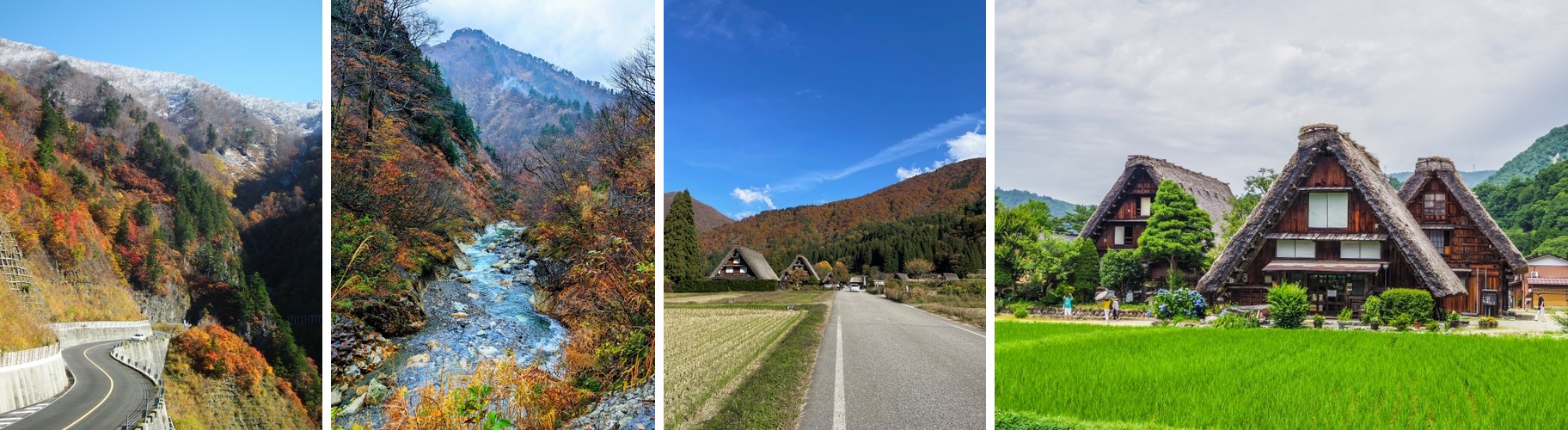
On the journey from Takayama to Kanazawa, it’s well worth stopping at Shirakawa-go, one of Japan’s most picturesque mountain villages. Surrounded by stunning natural scenery and known for its unique cultural heritage, it’s often considered one of the country’s most iconic historic landscapes.
Shirakawa-go has no train station, so the easiest way to get there is by highway bus. Direct buses connect the village with nearby cities, including Takayama, Kanazawa, Toyama, and Nagoya. The ride from Takayama takes about 50 minutes, making it a convenient stop on the way to Kanazawa.
The village itself is open year-round, including winter, so you can visit anytime, though heavy snow can occasionally affect road and bus conditions — it’s worth checking ahead if you’re traveling in winter.
Highway Bus
 Photos: PHOTO AC
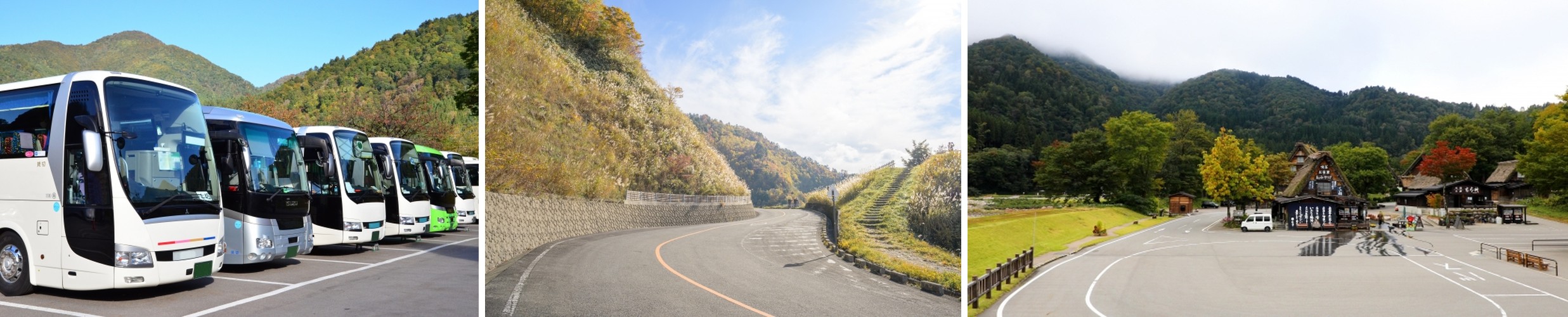
The fastest way to reach Shirakawa-go is by highway bus from Takayama. The first bus of the day departs the Nohi Bus Center in front of Takayama Station at 07:20 (reservation required) and arrives in Shirakawa-go at 08:10.
The Shirakawa-go gets very crowded during Japan Golden Week, Obon, and the autumn foliage season (late October to early November). Crowds peak around midday, so visiting in the morning, while it’s still relatively quiet, is the best way to enjoy the village at a relaxed pace.
| Departs Takayama | Arrives Shirakawa-go (Ogimachi) |
|---|---|
| 07:20 | 08:10 |
| 07:50 | 08:40 |
| 08:10 | 09:00 |
| 09:35 | 10:25 |
Highway buses require a reservation, but there are two ways to make one:
- At the ticket counter inside the Takayama Nohi Bus Center, paying by cash or credit card (a foreign currency exchange machine is also available there).
- Online in advance — recommended, since Shirakawa-go is an extremely popular destination and seats can sell out. Your ticket becomes valid from two hours before departure via your account’s “My Page.” At boarding, show one of the following:
- The payment confirmation email (from the Hachimeco/Order-Ori online payment service)
- The mobile ticket screen
- A printed ticket purchased at a Bus Plaza counter
- Fare: ¥2,800 (adult)
- Book through Japan Bus Online.
Midday: Exploring Shirakawa-go
 Photos: PHOTO AC, Shirakawa Village Office
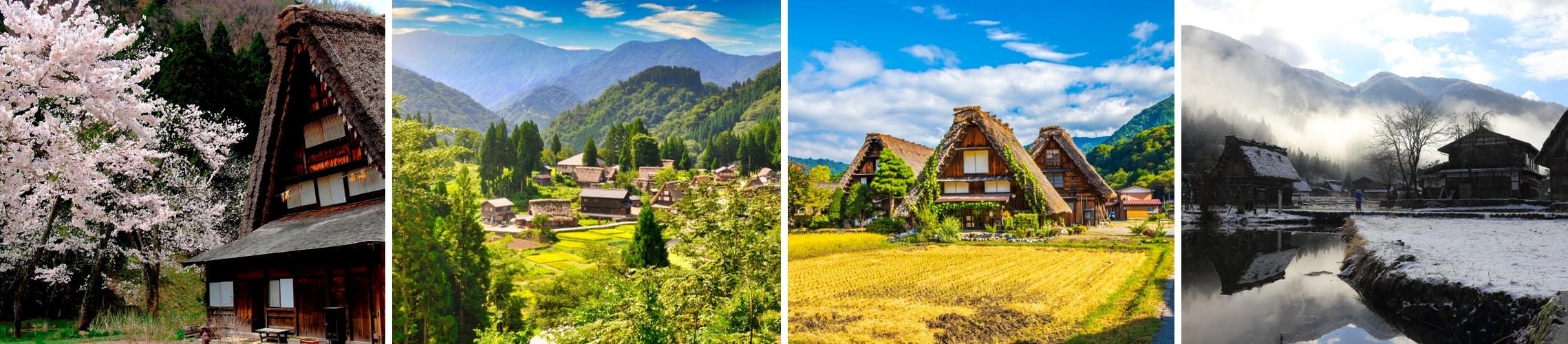
Historically isolated by heavy winter snow, Shirakawa-go developed its distinctive gassho-zukuri (“praying hands”) architecture with little outside influence. The area has two parts: Ogimachi, a UNESCO World Heritage village of steep-roofed farmhouses dating back to around 1800, and the quieter Hirase Onsen area to the south.
Autumn and winter are the standout seasons — fall foliage (mid-October to mid-November) frames the village in red and gold, while winter snow (December–February) turns it into a fairy-tale scene, especially when the houses are illuminated at night. Cherry blossoms bloom in mid-to-late April, and summer brings lush greenery and cool breezes.
With about three hours before the early-afternoon bus onward, there’s time for lunch plus two or three of the sights below — the exact number depends on your schedule and how the traffic runs that day. Bus timetables and an area map are available on the Shirakawa-go Tourist Association website.
Shiroyama Tenshukaku Observation Deck
 Photos: PHOTO AC, Shirakawa Village Office
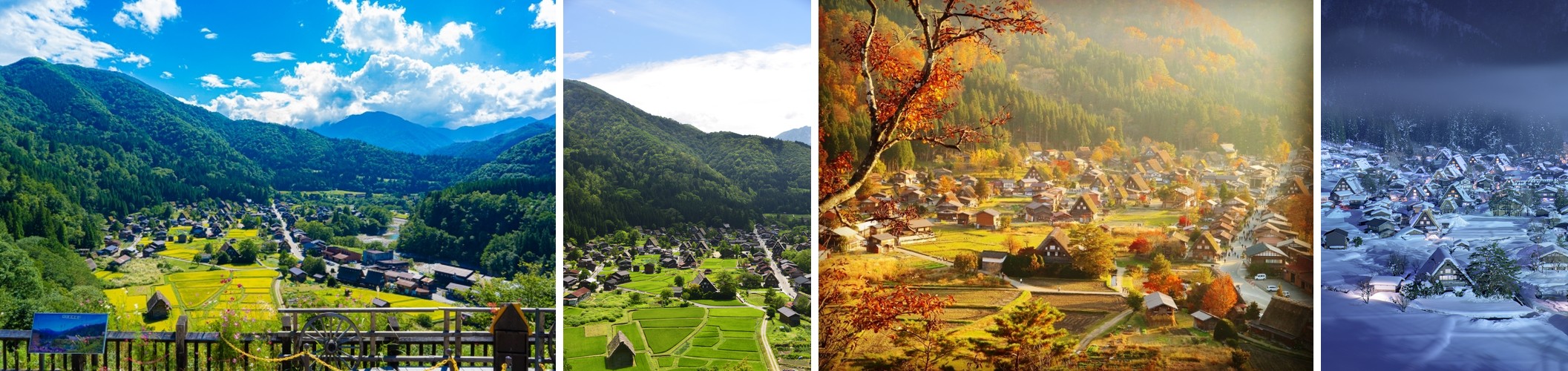
A short trip up from the Shirakawa-go Bus Terminal to the Shiroyama Tenshukaku Observation Deck rewards you with a sweeping view of the entire Ogimachi village — one of the most popular viewpoints in the area. A paid shuttle bus runs from Ogimachi village up to the deck, or you can walk the gently sloping trail south up the hill, which takes about 20 minutes.
From the deck, you’ll see the gassho-zukuri farmhouses and rice fields nestled among the surrounding forest — a peaceful scene often called one of Japan’s classic rural landscapes. The view changes with the seasons, from golden rice fields in autumn to snow-covered rooftops in winter, and on clear days you can see all the way to the Hakusan mountain range.
There’s also a café serving light meals made with local ingredients, and a well-stocked souvenir shop with Shirakawa-go sweets, folk crafts, and original goods.
- Admission: free
- Hours: 9:30 – 15:30
Gassho-zukuri Farmhouses
 Photos: PHOTO AC, Shirakawa Village Office
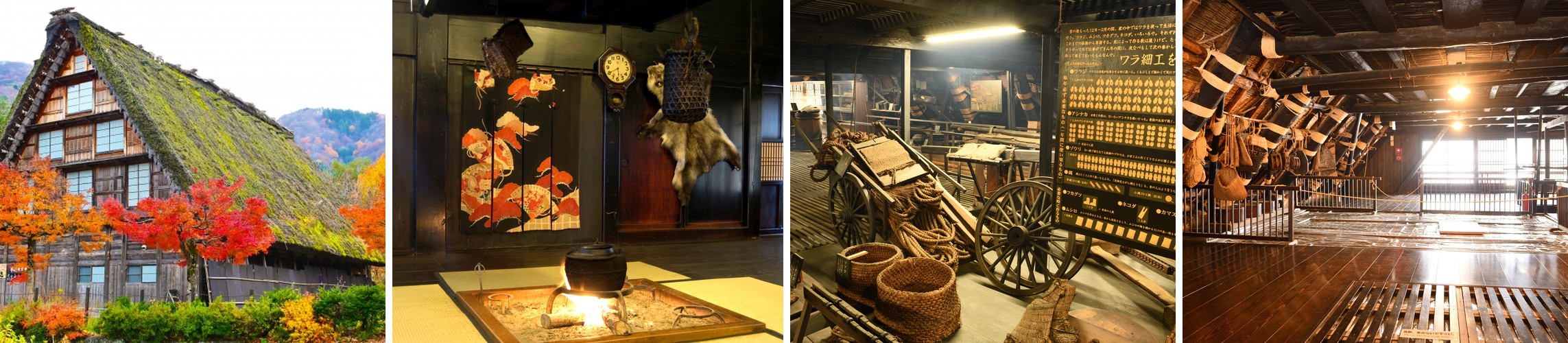
About a five-minute walk south of the Shirakawa-go Bus Terminal, the road becomes lined with gassho-zukuri farmhouses. Gassho-zukuri is a characteristic style of Japanese farmhouse construction, built by joining wooden beams into a steep, triangular roof shape — resembling two hands pressed together in prayer, which gives the style its name.
This design was developed specifically to handle Shirakawa-go’s heavy, wet snowfall: the steep pitch helps snow slide off, and the thick thatched roofs (traditionally rethatched by the whole community) insulate against the cold. Roofs are also built facing east-west to reduce wind resistance and help snow melt faster, which is why nearly all the houses in the village face the same direction.
Several gassho-zukuri houses are open to visitors, offering a look at both traditional daily life and the structural details of the architecture itself. A few highlights:
- Wada House (和田家) — The largest gassho-zukuri house in the village and the only one designated a National Important Cultural Property. Built in the Edo period, it once served as the residence of the village headman. Still in use as a private home today, the 1st and 2nd floors are open to visitors, with lovely views over the rice fields from upstairs.
- Okuzaemon (奥左ヱ門) — A traditional non-gassho-zukuri building, combining a main hall built with reused gassho-zukuri timbers and an all-cypress addition with a notable plastered study room.
- Kanda House (神田家) — Took roughly 10 years to build; visitors can see the detailed internal structure as well as the space once used for producing gunpowder saltpeter beneath the floor. QR codes throughout the house provide explanations of tools and features.
- Nagase House (長瀬家) — A five-story gassho-zukuri house displaying a Buddhist altar said to be around 500 years old, along with artworks and household items.
- Myozenji Temple Folklore Museum (明善寺郷土館) — A Jodo Shinshu temple where the main hall, priest’s quarters, and bell tower are all still built in gassho-zukuri style — a rare combination.
- Bizen Yumerom Hall (美然 ゆめろむ館) — Features a sacred horse chestnut tree over 800 years old, along with works by local artist Itaya Hoshi.
Each Attraction
- Admission: ¥400 (adult), cash only
- Hours: 9:00 – 16:00
Shirakawa Hachiman Shrine
 Photos: PHOTO AC
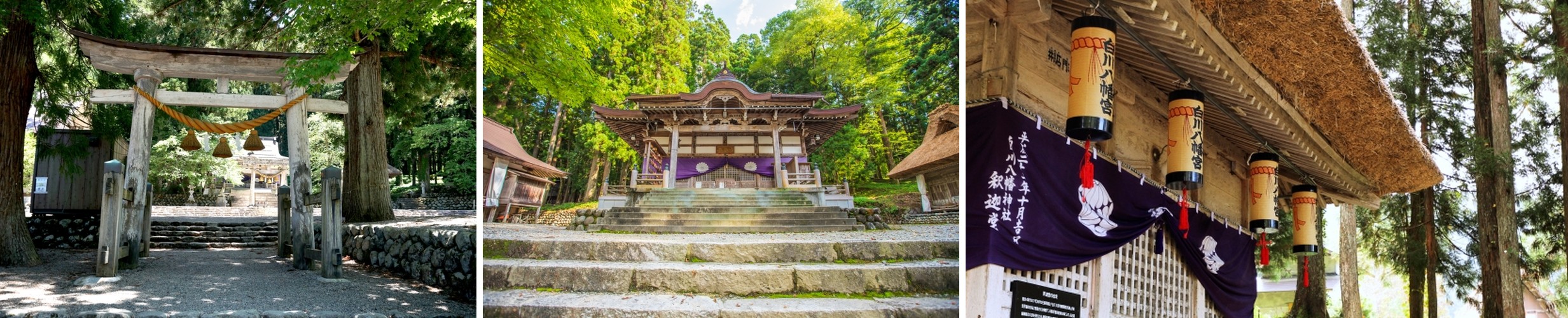
Shirakawa Hachiman Shrine, the guardian shrine of Shirakawa-go, was founded during the Wadō era (708–715) and is dedicated to Emperor Ōjin. Beside the main shrine building stands the Shakadō, a smaller hall believed to date from the era of shinbutsu-shūgō — a period when Shinto and Buddhist worship were still practiced side by side, before the two were formally separated. An old cedar tree on the grounds, standing about 30 meters tall, has been designated a Natural Monument of Shirakawa Village.
Gassho-zukuri Minkaen (Open-Air Museum)
 Photos: PHOTO AC
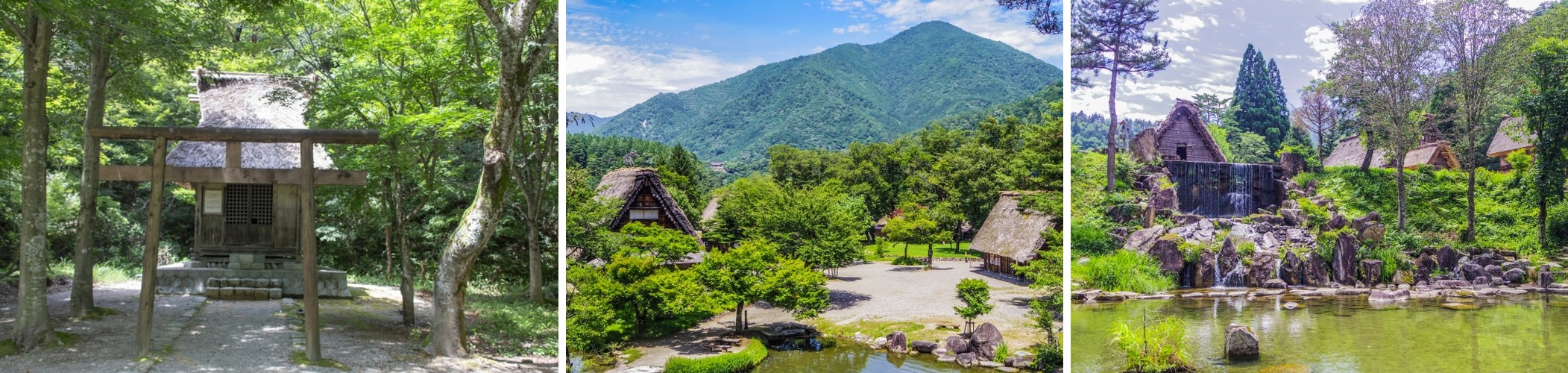
On the other side of the Shō River, a 17-minute walk from the Shirakawa-go Bus Terminal, lies the open-air museum. This museum preserves and displays 25 gassho-zukuri buildings, including nine designated Prefectural Important Cultural Properties. In addition to farmhouses, the grounds include a shrine, a temple hall, and a water mill, and visitors can explore the farmhouses all the way up to the attic.
- Admission: ¥800 (adult)
- Hours: 9:00 – 16:00
Lunch at Shirakawa-go
Visitors gradually arrive in Shirakawa-go from the morning, with numbers peaking around midday. For a more relaxed meal, we recommend having an early lunch before catching the highway bus onward to Kanazawa. Here are some highly-rated restaurants:
- Irori (いろり) — A traditional restaurant serving authentic Hida cuisine made with seasonal local ingredients. Popular dishes include Hida beef grilled with hoba miso, Keichan chicken, and grilled gassho tofu, a local specialty. Guests can also enjoy mountain vegetable soba and udon, tempura noodles, and rice flour ramen — regional favorites that reflect the everyday flavors of Hida.
- Hakusuien (白水園) — Housed in a gassho-style building, this restaurant is known for its Hida beef grilled on hoba miso and a rare bear meat hot pot in a rich, mild miso broth. The menu also features locally raised Yuiuma pork, alongside other comforting local dishes made with Hida and regional ingredients.
- Keyaki (けやき) — A restaurant that highlights Yuiuma pork, a locally raised brand pork known for its quality and careful production. The menu includes hearty pork set meals, seasonal noodle dishes, and Hida beef curry, alongside regional specialties like hoba miso, Hida soba, and Takayama ramen.
- Nomura (乃むら) — A soba restaurant dedicated to 100% locally grown buckwheat, stone-milled in-house and handmade fresh each morning. Guests can enjoy a variety of hot and cold soba dishes, often paired with rice grown by the restaurant itself. A signature treat is their soba ice cream, made with Shirakawa-go buckwheat flour and served in a crispy wafer.
Midday: Shirakawa-go to Kanazawa
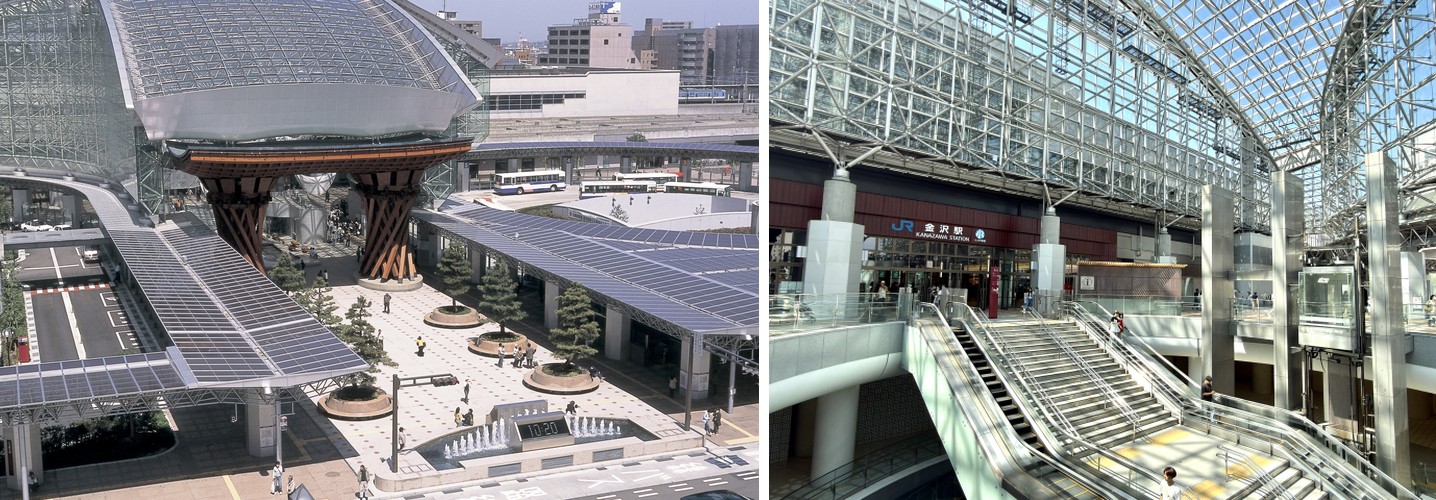 Photos: Ishikawa Prefectural Tourism League, PHOTO AC
From Shirakawa-go Bus Terminal, take a second highway bus onward to Kanazawa. The terminal is a stop shared by buses heading to several different destinations, and buses can also arrive late due to traffic, so it’s worth double-checking you board the right one.
The table below shows the highway bus departures around midday from Shirakawa-go to Kanazawa Station’s west exit:
| Departs Shirakawa-go | Arrives Kanazawa |
|---|---|
| 11:25 | 12:50 |
| 12:20 | 13:35 |
| 13:50 | 15:05 |
Highway buses require a reservation, but there are two ways to make one:
- At the ticket counter inside the Shirakawa-go Bus Terminal, paying by cash or credit card (a foreign currency exchange machine is also available there).
- Online in advance — recommended, since Shirakawa-go is an extremely popular destination and seats can sell out. Your ticket becomes valid from two hours before departure via your account’s “My Page.” At boarding, show one of the following:
- The payment confirmation email (from the Hachimeco/Order-Ori online payment service)
- The mobile ticket screen
- A printed ticket purchased at a Bus Plaza counter
- Fare: ¥2,800 (adult)
- Book through Japan Bus Online.
Afternoon: Kanazawa Chaya Districts
Kanazawa, the capital of Ishikawa Prefecture, is a historic city known for its rich cultural heritage, traditional crafts, and well-preserved Edo-period streetscapes. Its geisha districts — the chaya (teahouse) neighborhoods explored this afternoon — are among the best-preserved in Japan.
Where to Stay (in Kanazawa Area)
When choosing where to stay in Kanazawa, most travelers will find themselves deciding between JR Kanazawa Station and Kanazawa Castle Park. Both areas offer a wide range of accommodations, from budget-friendly hotels to luxury properties.
- Staying near JR Kanazawa Station is usually the most convenient option. As the city’s main transportation hub, it provides easy access to the Hokuriku Shinkansen, JR train lines, and local buses, including the Kanazawa Loop Bus that connects many major attractions. The station area is also home to shopping malls, department stores, restaurants, and the tourist information center. It’s an excellent choice for travelers carrying large luggage, planning day trips, or continuing on to another city.
- Consider staying around Kanazawa Castle Park if your priority is sightseeing. Many of the city’s highlights, including Kenroku-en Garden and Kanazawa Castle, are within walking distance, allowing you to spend less time on transportation and more time exploring. While the area has fewer large shopping complexes, you’ll find plenty of local shops, cafés, and restaurants. It is best suited to travelers who prefer a slower pace and want to immerse themselves in Kanazawa’s historic atmosphere.
This guide assumes a stay near the station, which provides greater convenience for travelers planning an early departure to another city. Popular options within a few minutes’ walk of JR Kanazawa Station include ANA Crowne Plaza Kanazawa and Hotel Nikko Kanazawa.
After arriving in Kanazawa, you can store your luggage at the hotel’s baggage service counter if you arrive before check-in. This allows you to continue sightseeing without carrying bags.
Tsuzumi Gate
 Photos: Ishikawa Prefectural Tourism League
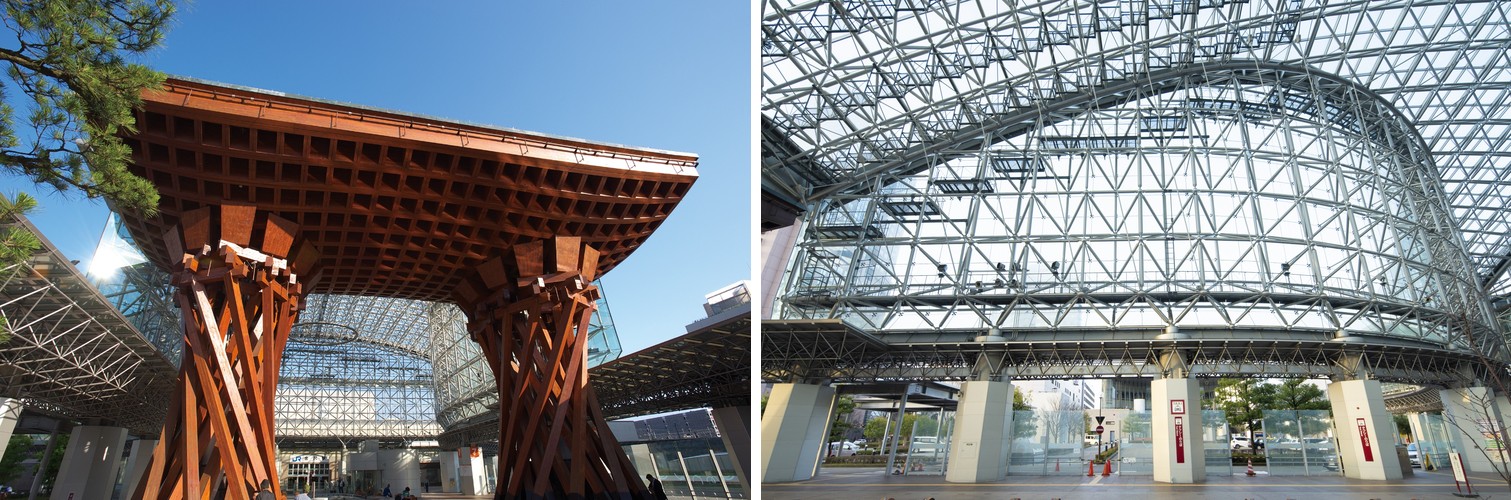
Kanazawa Station’s east exit opens onto the Motenashi Dome, a large, contemporary-style glass structure connected to the wooden Tsuzumi Gate, now one of the city’s defining landmarks. The gate is modeled after the tsuzumi hand drums used in traditional Japanese performance, and its striking shape has become a contemporary symbol of Kanazawa.
From Kanazawa Station, the Kanazawa Loop Bus (right-loop route) is the easiest way to reach the next attraction, the chaya districts.
- Kanazawa Station East Gate Bus Terminal #7
- Regular ticket: ¥220 per ride (adult)
- Buses run about every 15 min
Higashi Chaya District
 Photos: Kanazawa City, Ishikawa Prefectural Tourism League, PHOTO AC
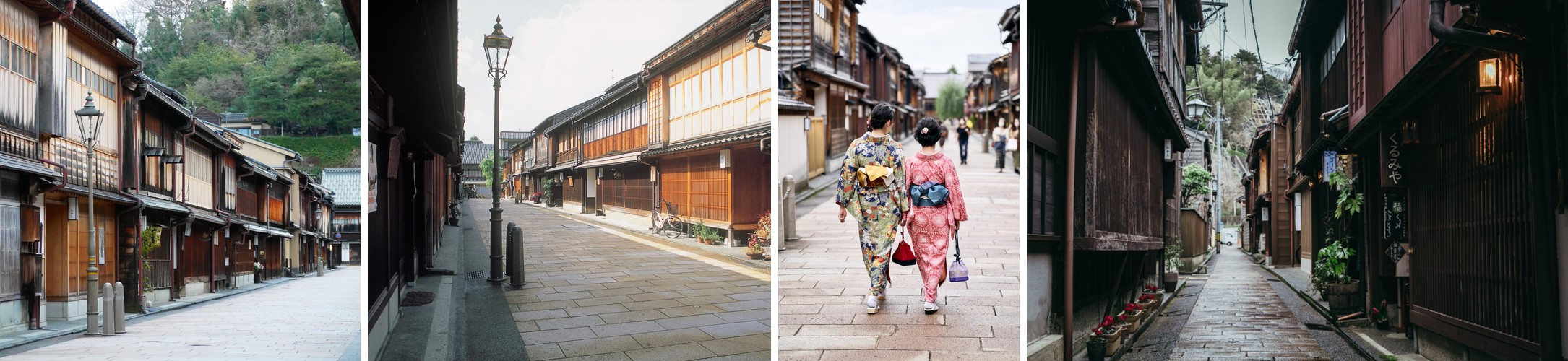
Higashi Chaya District is Kanazawa’s largest and best-preserved historic geisha district, where beautifully restored wooden teahouses from the 1820s line the streets and create a timeless atmosphere. Strolling through the area offers a glimpse into Kanazawa’s rich cultural heritage, with traditional geisha entertainment still continuing today.
Visitors can enjoy matcha and elegant Japanese sweets in charming cafés converted from old townhouses, browse shops selling gold-leaf crafts and local handmade goods, and explore historic sites. Notable stops in the district include:
- Shima (志摩) — A former teahouse preserved exactly as it was in the Edo period, without any later alterations, making it a highly valued piece of architectural and cultural history and a designated National Important Cultural Property.
- Kaikaro (懐華樓) — A working teahouse open for tours, and the largest teahouse building in Kanazawa, known for its vivid vermillion-lacquered staircase and lavish interior, including an ornate guest room and a gold-leafed tea room.
Also worth a look nearby: Ochaya Art Museum, Utasu Shrine, Kinpakuya Sakuda, and Kanazawa Asanogawa En-yukai Hall.
Kazuemachi Chaya District
 Photos: Kanazawa City, Ishikawa Prefectural Tourism League
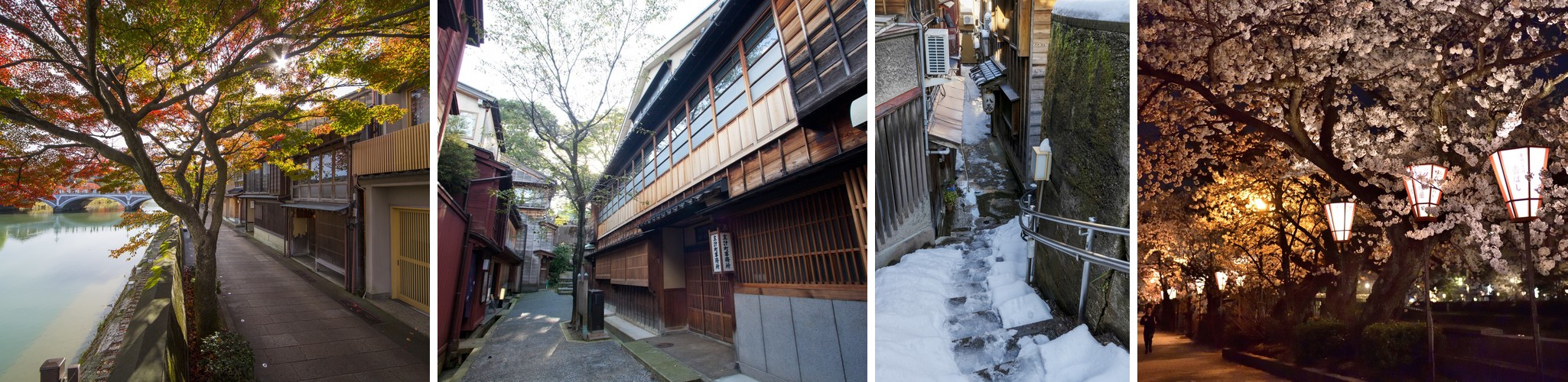
Just across the Asano River, Kazuemachi is a narrower, more intimate chaya district, its long lattice-fronted houses earning it protected status as a National Important Preservation District. The name comes from the Edo-era residence of Tomita Kazue that once stood here.
Traditional restaurants and teahouses line the riverside. Two narrow side lanes, Akari-zaka and Kuragari-zaka, are worth a short detour for their quiet, atmospheric feel. For a coffee or dessert stop, try Amami Cafe Chayu (gelato) or Rokumusubi.
Evening: Chaya Districts and Dinner
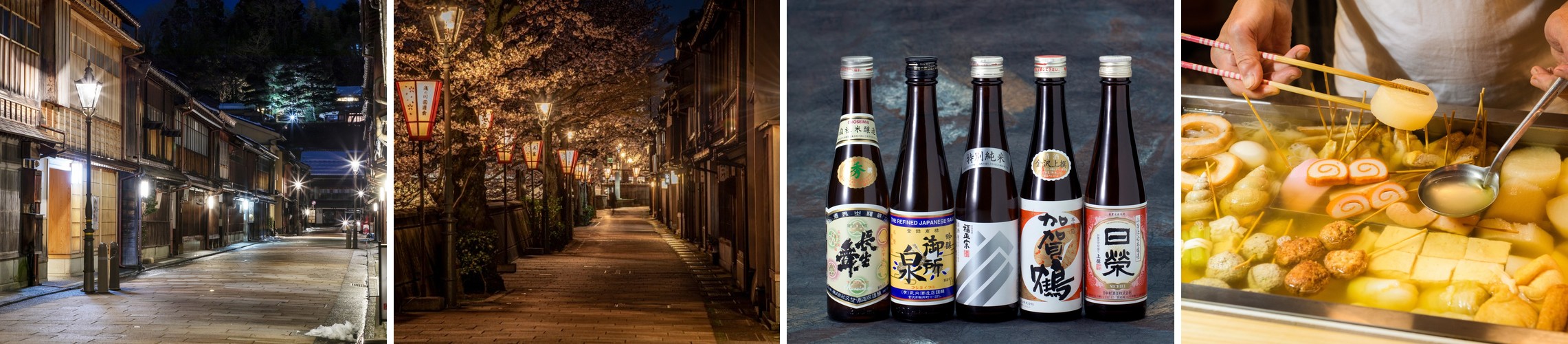 Photos: Ishikawa Prefectural Tourism League, PHOTO AC, Kanazawa City
In contrast to the restaurants around Kanazawa Station, Higashi Chaya District and Kazuemachi Chaya District offer meals in restored wooden houses with an Edo-era atmosphere. Here are some restaurants highly ranked by locals that you may consider visiting before returning to the hotel:
-
Higashiyama Chokichi (ひがしやま ちょう吉) — Renowned for its expertly grilled skewers cooked over premium binchotan charcoal, the restaurant highlights the natural flavors of high-quality chicken. At lunchtime, visitors can enjoy its signature Oyako-don, a popular dish featuring silky, melt-in-your-mouth eggs and fragrant charcoal-grilled chicken.
-
Buemon (武右衛門) — Its signature dish is Kaga Bocha Soba, made with locally renowned roasted tea kneaded into handmade noodles, creating a unique aroma and subtle sweetness found nowhere else. Guests can also enjoy seasonal tempura, warming soba topped with generous amounts of seaweed, and regional specialties prepared with local ingredients.
-
Restaurant Jiyuken (レストラン自由軒) — This long-established eatery is known for preserving the nostalgic flavors enjoyed by generations of locals and geisha alike. Its signature dish is the famous soy sauce-based omurice, featuring a delicate, paper-thin omelet wrapped around rice stir-fried with beef and pork simmered in a sweet and savory sauce. Other favorites include hearty set meals, homemade hamburg steak, cream croquettes, and tender beef tongue stew.
-
Higashiyama Mizuho (東山みずほ) — Known for its freshly cooked rice prepared in traditional clay pots and beautifully presented obanzai (Japanese home-style side dishes). Guests can enjoy nourishing set meals featuring a variety of seasonal dishes, while optional local delicacies such as grilled nodoguro (blackthroat seaperch) and Noto eggs make the experience even more memorable.
-
Seasonal notes: works in any season; Shirakawa-go is at its most photographed under snow in winter, though the mountain roads can affect bus schedules in bad weather, so check current conditions before this day
-
Backup rainy-day options: Kanazawa’s chaya districts hold up reasonably well in light rain; the Shirakawa-go village walk is the outdoor portion of the day, so consider shortening it if the weather turns
Time-Block Itinerary
Start: Takayama
End: Kanazawa
| Time | Stop | Line | Notes |
|---|---|---|---|
| 07:20 | Depart Takayama → Shirakawa-go | Nohi Bus | ~50 min |
| 08:10 | Shirakawa-go Bus Terminal → Shiroyama Tenshukaku Observation Deck | — | ~20 min walk |
| ~08:30 | Shiroyama Tenshukaku Observation Deck | — | About 20 min |
| 08:50 | Shiroyama Tenshukaku Observation Deck → Wada House | — | ~10 min walk |
| ~09:00 | Wada House | — | About 20 min |
| 09:20 | Wada House → Kanda House | — | ~5 min walk |
| ~09:25 | Kanda House | — | About 20 min |
| 09:45 | Kanda House → Myozenji Temple Folklore Museum | — | ~3 min walk |
| ~09:48 | Myozenji Temple Folklore Museum | — | About 20 min |
| 10:08 | Myozenji Temple Folklore Museum → Shirakawa Hachiman Shrine | — | ~3 min walk |
| ~10:11 | Shirakawa Hachiman Shrine | — | About 10 min |
| 10:21 | Shirakawa Hachiman Shrine → Gassho-zukuri Minkaen | — | ~15 min walk |
| ~10:36 | Gassho-zukuri Minkaen | — | About 30 min |
| 11:06 | Gassho-zukuri Minkaen → Shirakawa-go | — | ~10 min walk |
| ~11:16 | Lunch | — | Shirakawa-go, about 45 min |
| 12:05 | Shirakawa-go → Shirakawa-go Bus Terminal | — | ~10 min walk |
| 12:20 | Depart Shirakawa-go → Kanazawa | Hokuriku Railroad Bus | ~75 min |
| 13:35 | Kanazawa → Hotel Nikko Kanazawa | — | ~10 min walk |
| ~13:45 | Hotel Nikko Kanazawa | — | Drop luggage, check in; free time to rest |
| 14:50 | Hotel Nikko Kanazawa → Tsuzumi Gate | — | ~5 min walk |
| ~15:00 | Tsuzumi Gate | — | About 10 min |
| 15:10 | Tsuzumi Gate → Kanazawa Station East Gate Bus Terminal #7 | — | ~5 min walk |
| 15:15 | Depart Kanazawa Station to Higashi Chaya | Kanazawa Loop Bus | ¥220, ~12 min |
| ~15:27 | Higashi Chaya District | — | About 1 hour |
| 16:30 | Higashi Chaya District → Kazuemachi Chaya District | — | ~10 min walk |
| ~16:40 | Kazuemachi Chaya District | — | About 1 hour |
| ~17:40 | Dinner | — | Higashi Chaya District & Kazuemachi Chaya District, about 1h 20min |
| 19:00 | Higashi Chaya District → Kanazawa Station | — | ~25 min walk |
| ~19:30 | Return to hotel | — | End of day |
Transport Notes
- Both highway bus legs (Takayama–Shirakawa-go and Shirakawa-go–Kanazawa) require reservation; same-day purchase is not recommended.
- The Kanazawa Loop Bus’s right-loop route is the more direct way from Kanazawa Station to Higashi Chaya; the left-loop route (used on the following Kanazawa hub day) covers a different set of attractions.
- Shirakawa-go itself has no train station — the highway bus is the only practical way in and out for this route.
Cost and Ticket Notes
- Takayama to Shirakawa-go: ¥2,800, adult.
- Shirakawa-go to Kanazawa: ¥2,800, adult.
- Kanazawa Loop Bus: ¥220 per ride.
- Budget for: two highway bus fares, loop bus rides, lunch in Shirakawa-go, and dinner in Kanazawa.
This day pairs well with:
- Nagoya to Takayama Transfer Day — the day before, the last full day based in Takayama
- Kanazawa Hub Day — the day after, staying at the same Kanazawa hotel